How dynamic growth works in Paralives: phases, genetics, and lifespan settings
In most life simulators, children look the same until a birthday arrives, and suddenly – boom! – they turn into teenage clones almost adult height. Paralives decided to rewrite this rule. Children in the game grow gradually: every few days they become slightly taller until they reach the next age milestone. This is not just a cosmetic detail, but a full‑fledged system that makes aging natural and visually noticeable.
How dynamic growth works
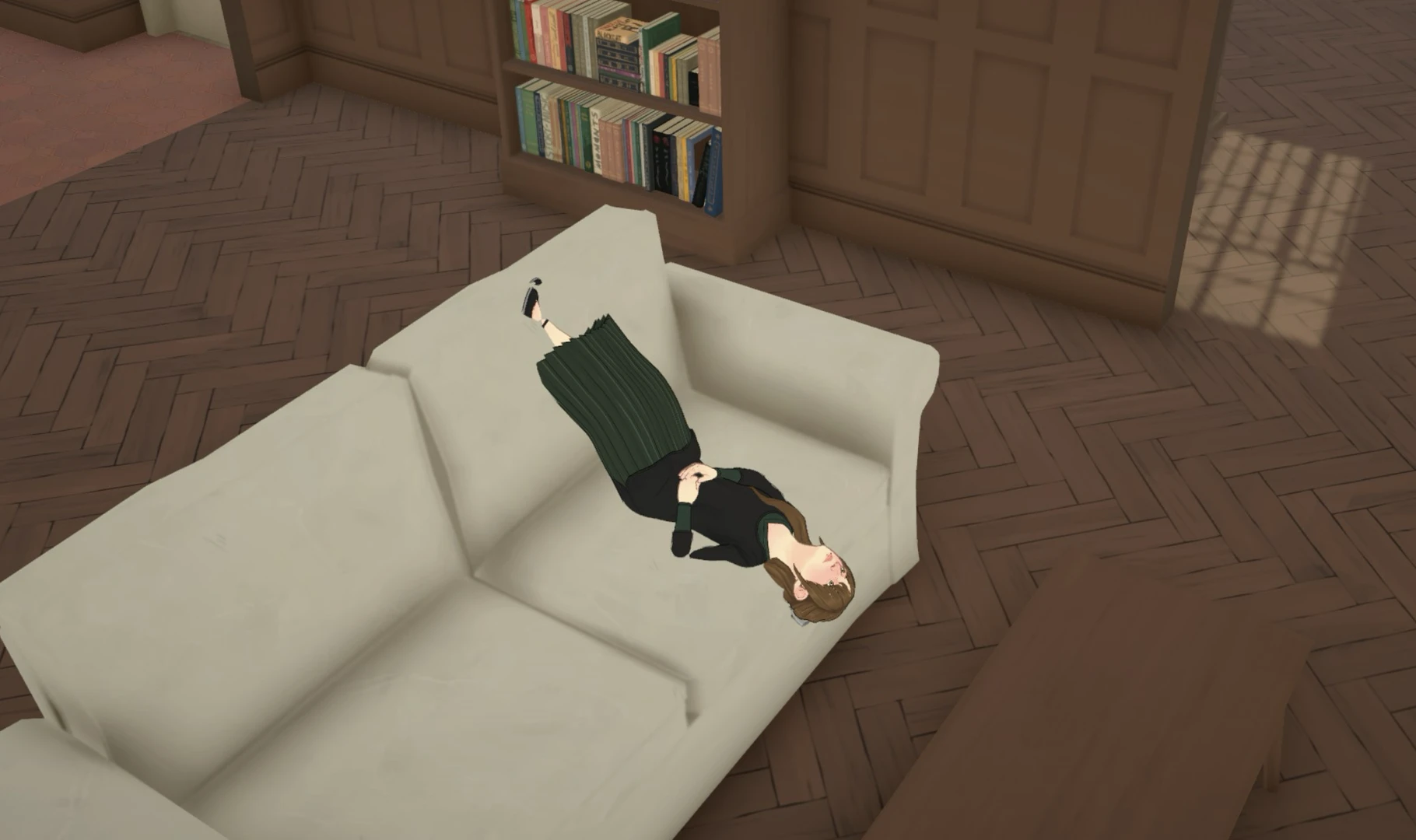
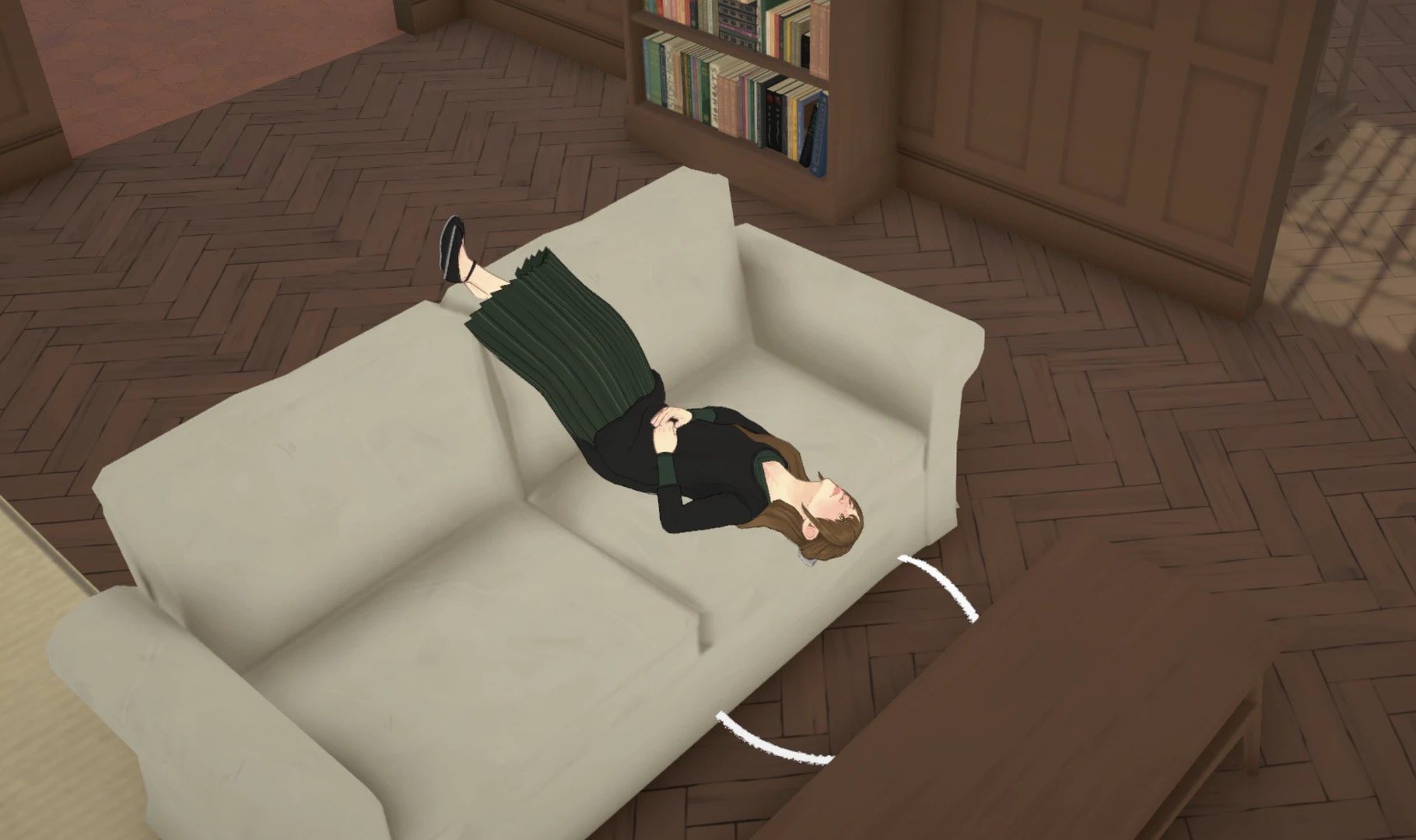
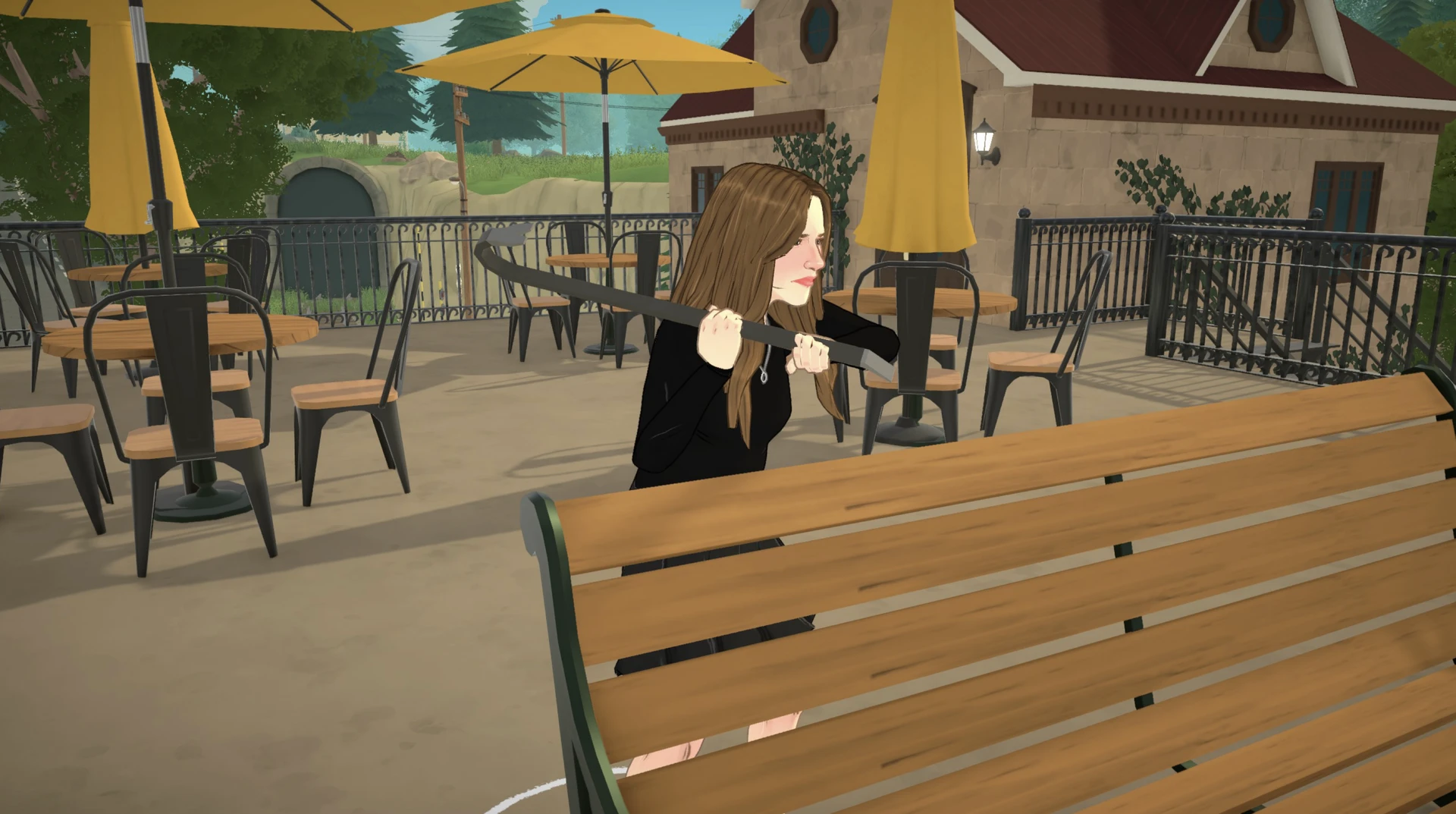
In Paralives, children and teens do not "switch" between fixed models but go through several growth phases within the same age group. Instead of one height jump, the character becomes taller gradually – several times while staying in the child, pre‑teen or teen status. This is the first life simulation where you can see your character slowly catch up to an older sibling, rather than grow up overnight.
The process itself looks like this:
Children go through 3 growth phases, gradually increasing in size.
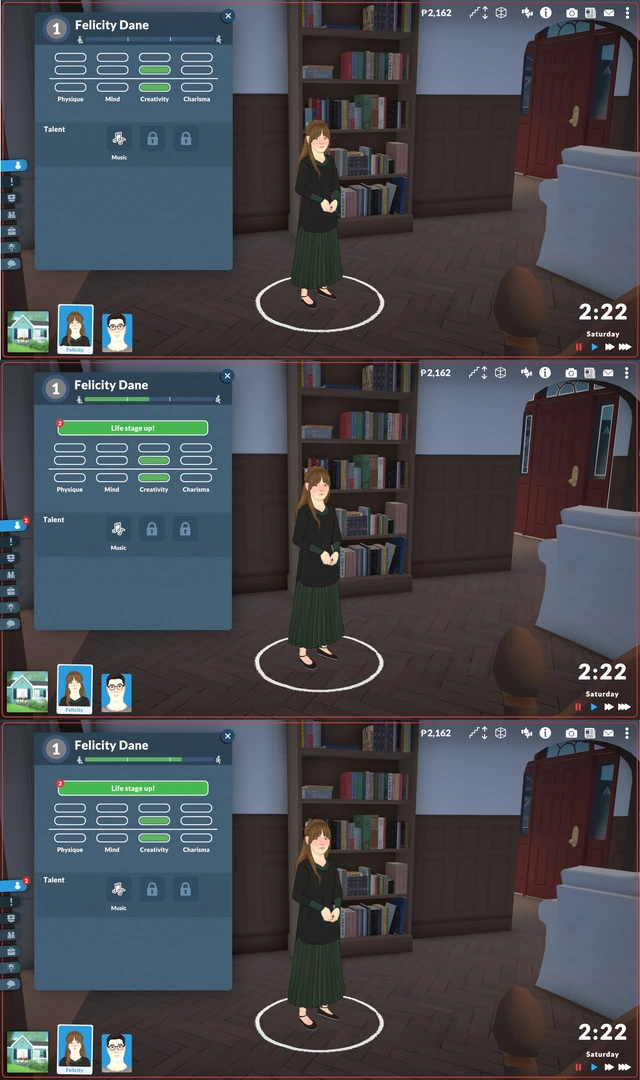
Pre‑teens – 4 phases, giving a very smooth transition.
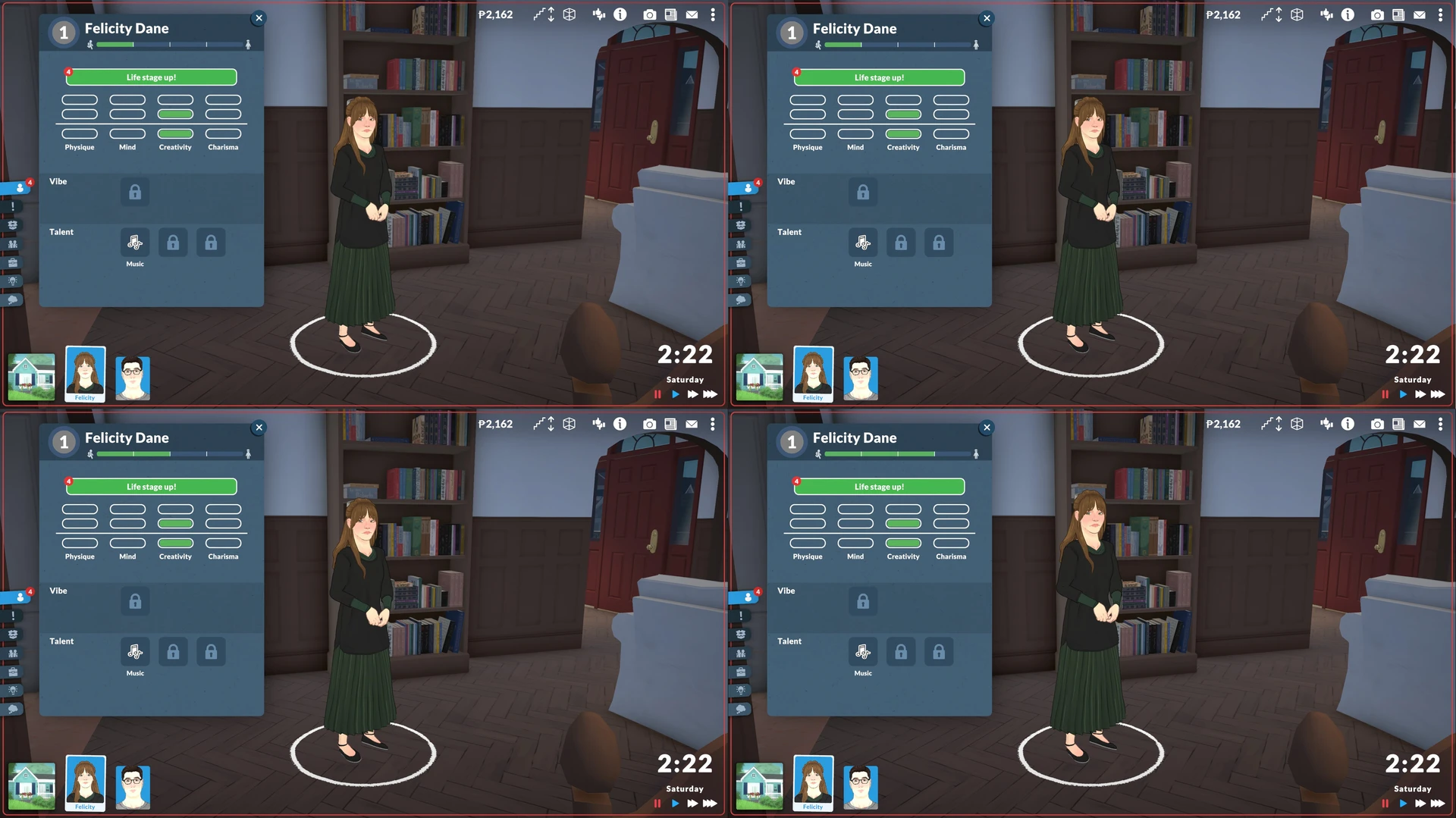
Teens – 5 phases, the highest number among all stages, so that the final transition to adulthood looks natural.
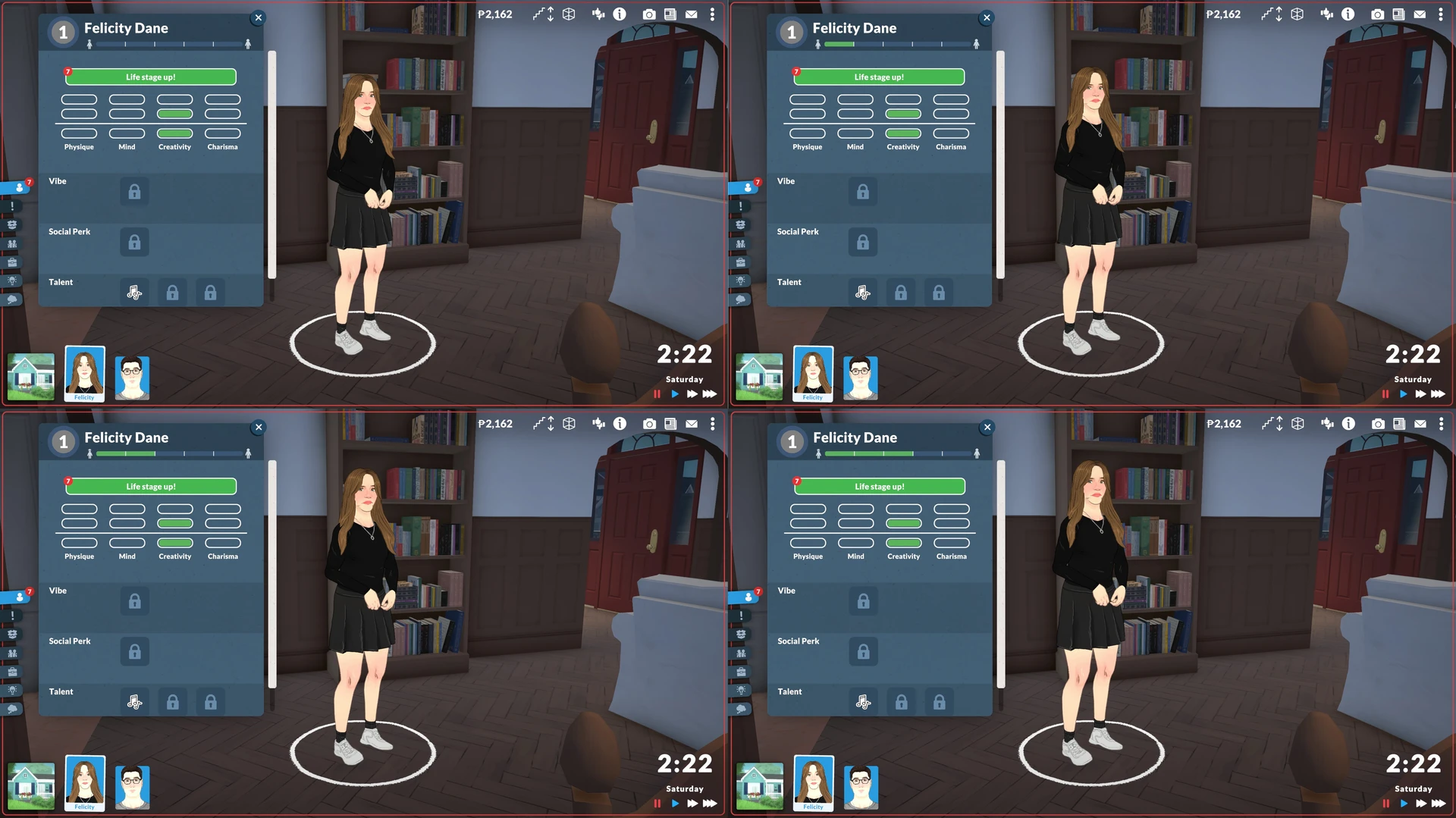
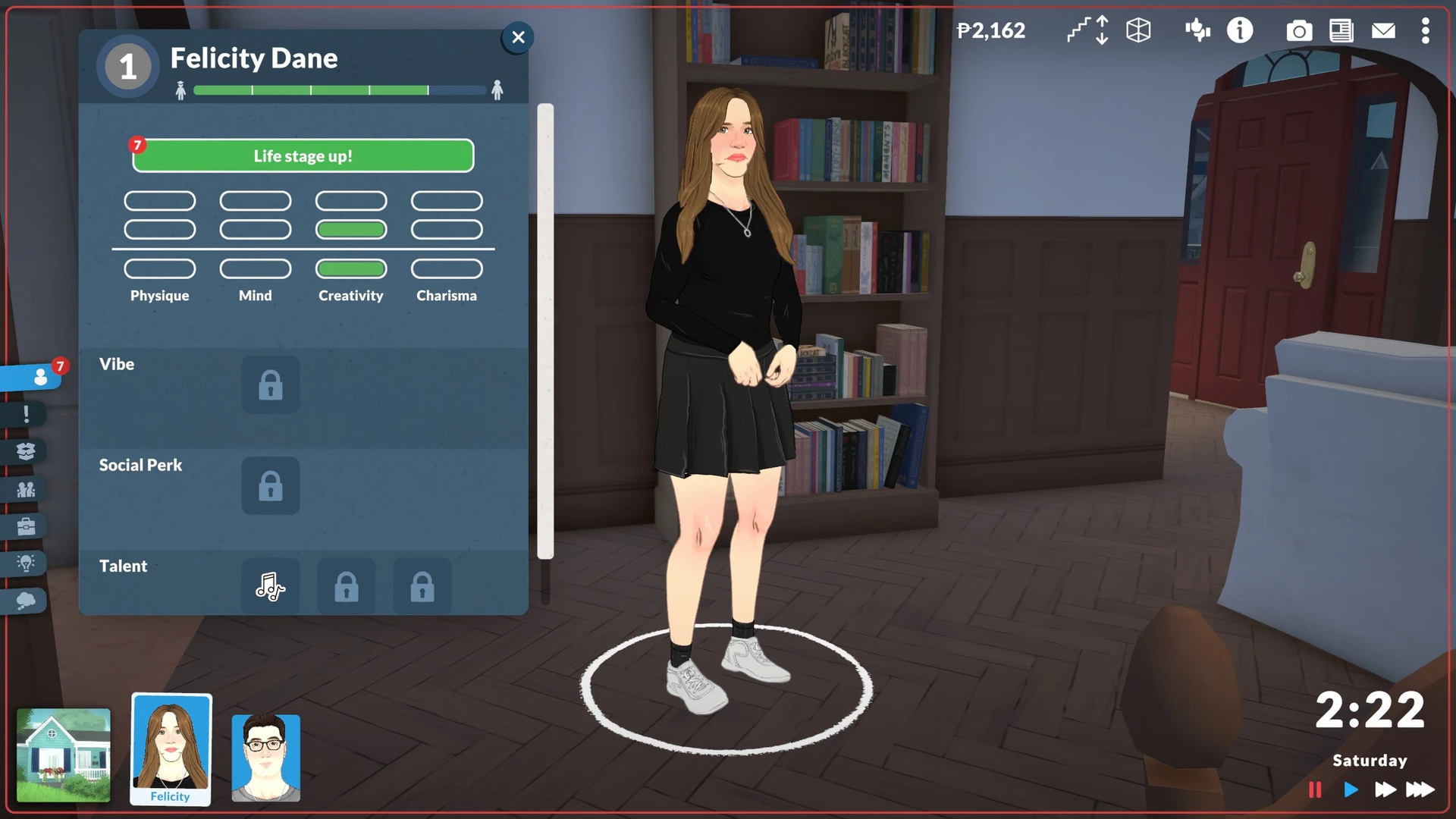
Progress is displayed in the interface: fill‑up bars appear on the life stage panel, showing how far the character has advanced toward the next stage.
"In Paralives, children, pre‑teens and teens will experience growth spurts every few days which periodically increase their height!" – shared content creator @onlyabidoang on X, accompanying the message with a short video demonstration.
Speed settings: short, normal or long lifespan
The developers have provided flexible lifespan settings that also affect growth dynamics. The player can choose one of three options through the storyteller system – when starting a new save or right during gameplay.
Duration of childhood:
- Short life: 5 days
- Normal life: 11 days
- Long life: 47 days
Duration of pre‑teen stage:
- Short life: 3 days
- Normal life: 7 days
- Long life: 31 days
Duration of teen stage:
- Short life: 6 days
- Normal life: 13 days
- Long life: 55 days
It is important that the lifespan setting is separate from the actual "physical growth": the growth phases speed up or slow down together with the overall flow of time, but the process itself remains smooth.
Height inheritance and the role of genetics
Dynamic growth in Paralives does not exist in isolation. As early as January 2026, the developers revealed details of the genetic system: a character’s height is inherited from parents, but with an element of randomness. Each Parafolk gets one of three categories – low, medium or tall – and then a random value within that range. Thanks to dynamic growth, a child may first seem short for their age and then outgrow both parents by the end of the teenage period.
This creates the possibility for truly unexpected family stories: "This child grew taller than both of their parents!" – such a situation is possible, and it makes each generation unique.
Community reaction and practical significance
Players greeted the news with enthusiasm. In the comments to OnlyAbidoang’s post, users note that "this is exactly the little thing that makes the world feel alive", and "finally age looks like age, not like a mask swap".
From a practical standpoint, the growth system has several implications:
Immersion. You actually see children grow up, not just "switch" them.
Planning. If you watch the growth bars, you can anticipate when a character will reach the next phase and tie story events to that moment.
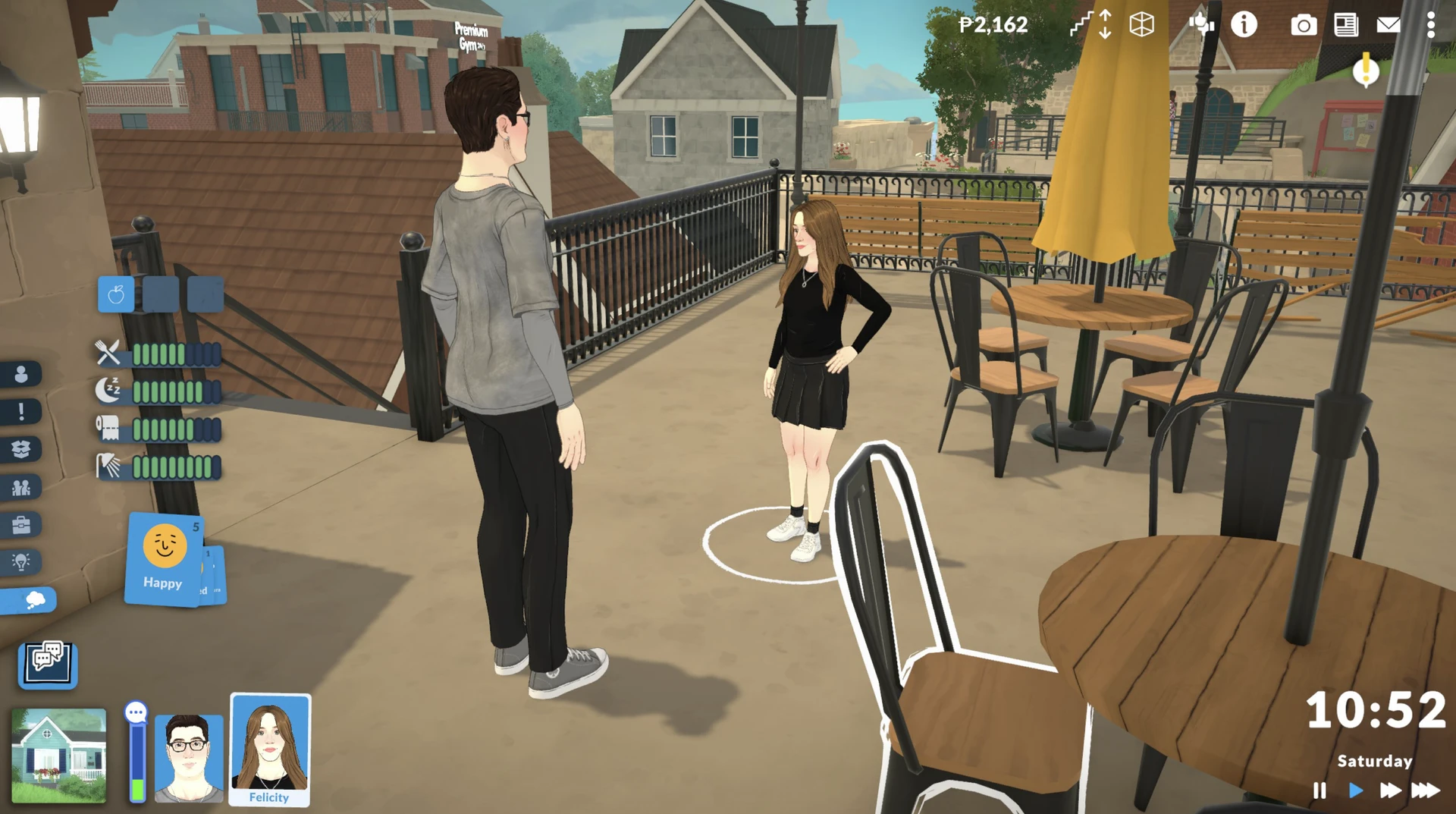
Variety. Even within the same age group, children do not look the same: an older child may be noticeably taller than a younger one, even though both are still considered "children".
Long‑term families. For fans of multi‑generational families, this feature is a real gift: each generation will grow up before your eyes, rather than change in leaps.
At the time of the early access launch, dynamic growth is already fully implemented and integrated with the basic lifespan settings. The developers promise that future updates may expand the system: additional animations related to age‑related changes may appear, or finer tuning of growth phases.
For now, Paralives is doing what many have been expecting from The Sims 4 for years – showing that children and teens do not have to look like static dolls until they come of age. They grow gradually. And it shows.