First Look at The Sims 4: Royalty & Legacy — Dynasties, Intrigue, and the Fight for the Throne
After the embargo was lifted, creators have finally revealed what The Sims 4: Royalty & Legacy truly looks like. First impressions make one thing clear: this is more than just an expansion with beautiful outfits and a new world. Instead, it’s an attempt to bring long-term, multi-generational gameplay to The Sims 4 — built around reputation, power, and complex family ties.
In this article, we take a first look at the expansion based on early access footage from EA Creator Network member Deligracy, breaking down what players can expect from Royalty & Legacy right from launch.
Welcome to Ondarion — a New World of Three Kingdoms
The new expansion takes players to Ondarion, a brand-new world divided into three distinct regions, each with its own atmosphere and identity. Inspired by real-world cultures, every area plays a specific role in shaping the overall story and political landscape of the world.
Source: x.com
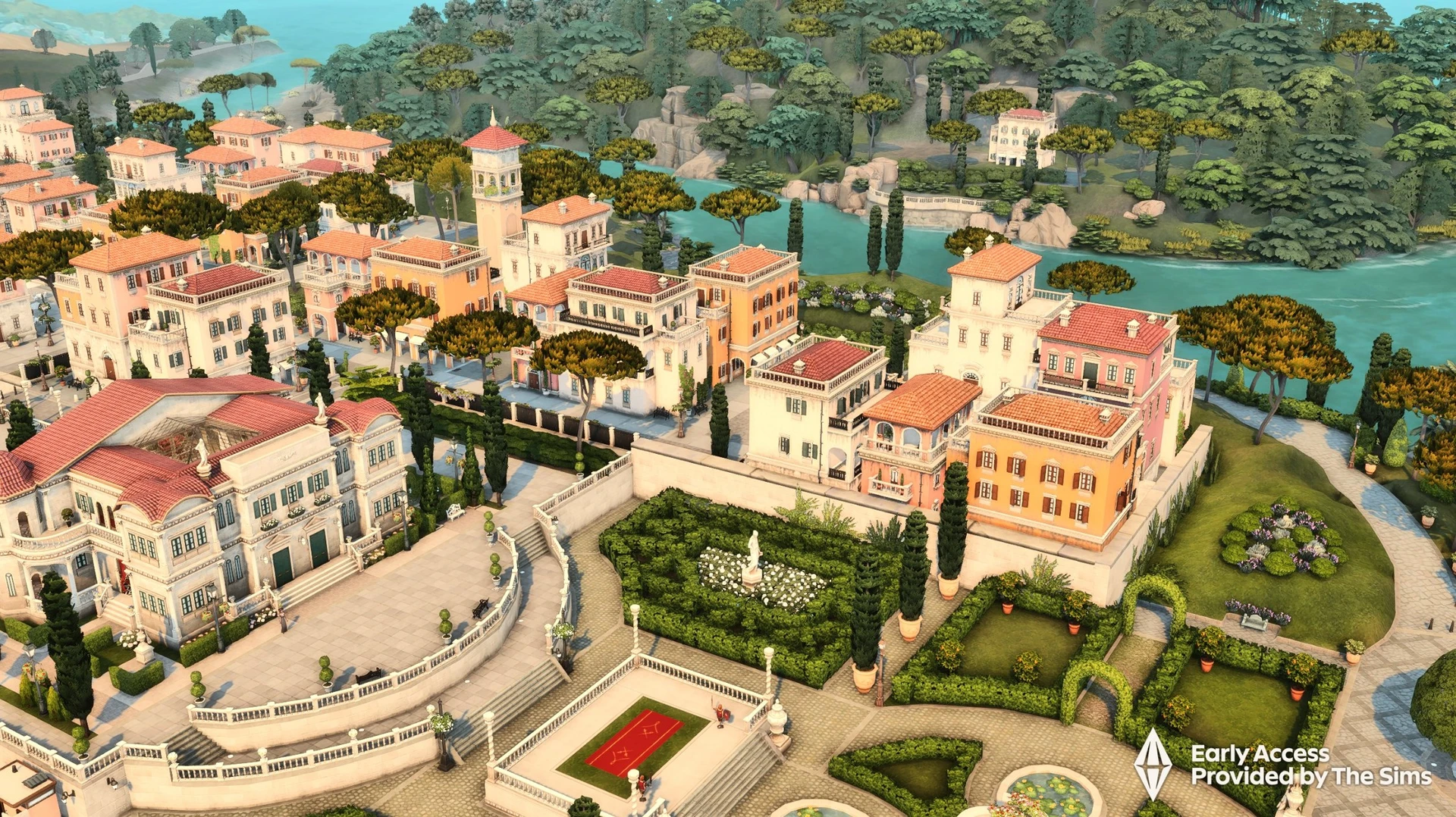
We’ve already covered this world in detail in a separate article, but here we’ll focus specifically on the architecture, lots, and interiors showcased in the early previews.
Dambele: Art, Culture, and West African Influences
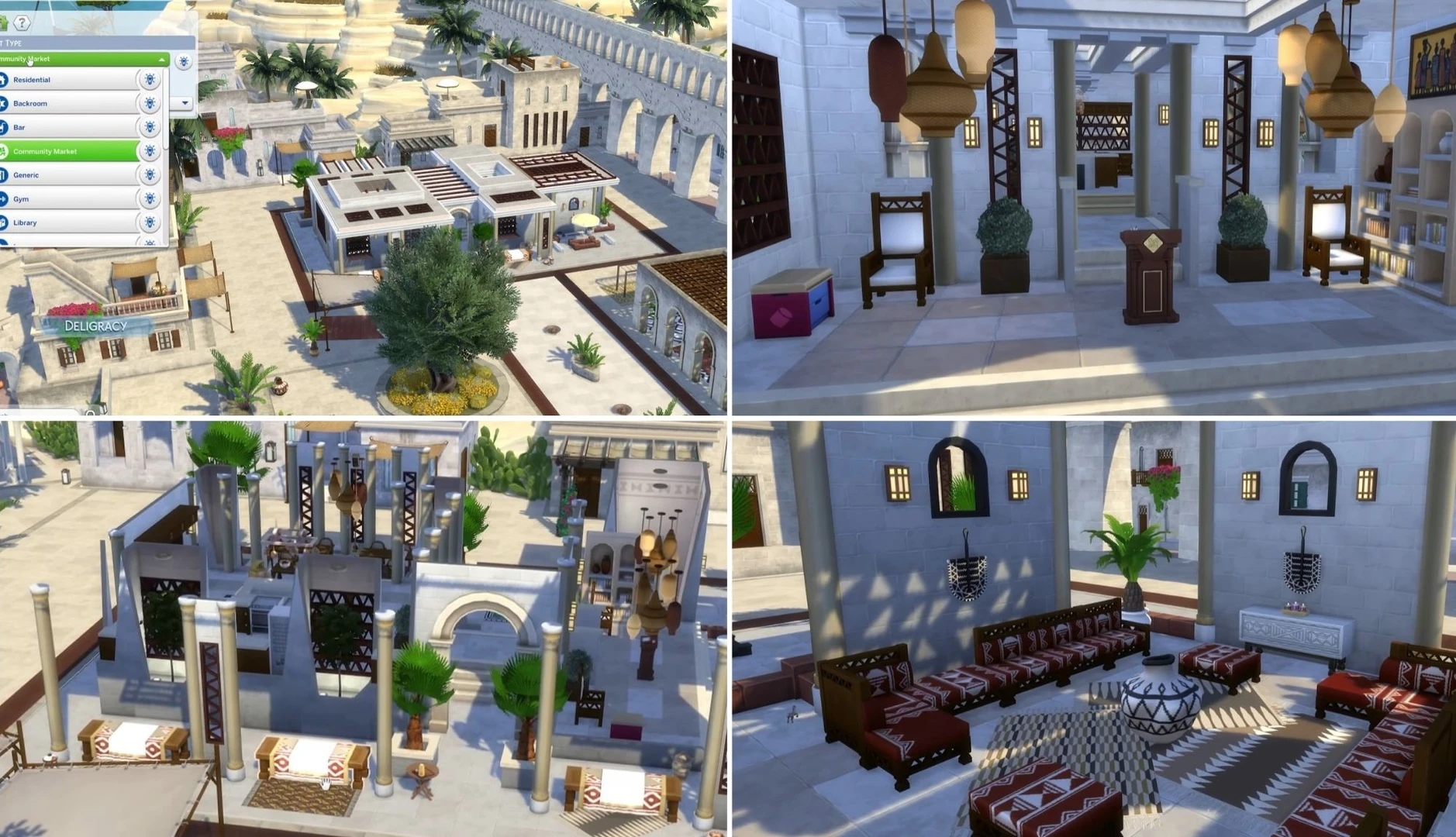
The first region is Dambele, a vibrant and lively district inspired by West African culture. Creativity, craftsmanship, and community life are at the heart of this area. The streets are filled with color, while the buildings stand out thanks to rich decorative details and distinctive furniture that immediately give the neighborhood its own personality.
Homes and public spaces in Dambele feel warm and expressive, emphasizing handcrafted elements and cultural identity rather than strict formality. It’s a place that feels alive — shaped by art, tradition, and everyday social interaction.
The developers separately emphasize that while working on this part of the world, they collaborated closely with the Pan-African Gaming Group as well as Simmers from the community. The goal was to make sure the cultural influences feel authentic, respectful, and thoughtfully represented rather than superficial.
It’s also in Dambele that players encounter two brand-new lot types introduced with the expansion.
One of them is the Community Market — a lively space built around trade, performances, and social gatherings. These lots are designed to include vendor tables, cooking areas, and a dedicated stage. That stage isn’t just decorative either: it later becomes an important element for aristocratic careers and public appearances, tying the location directly into the broader gameplay systems of status and power.
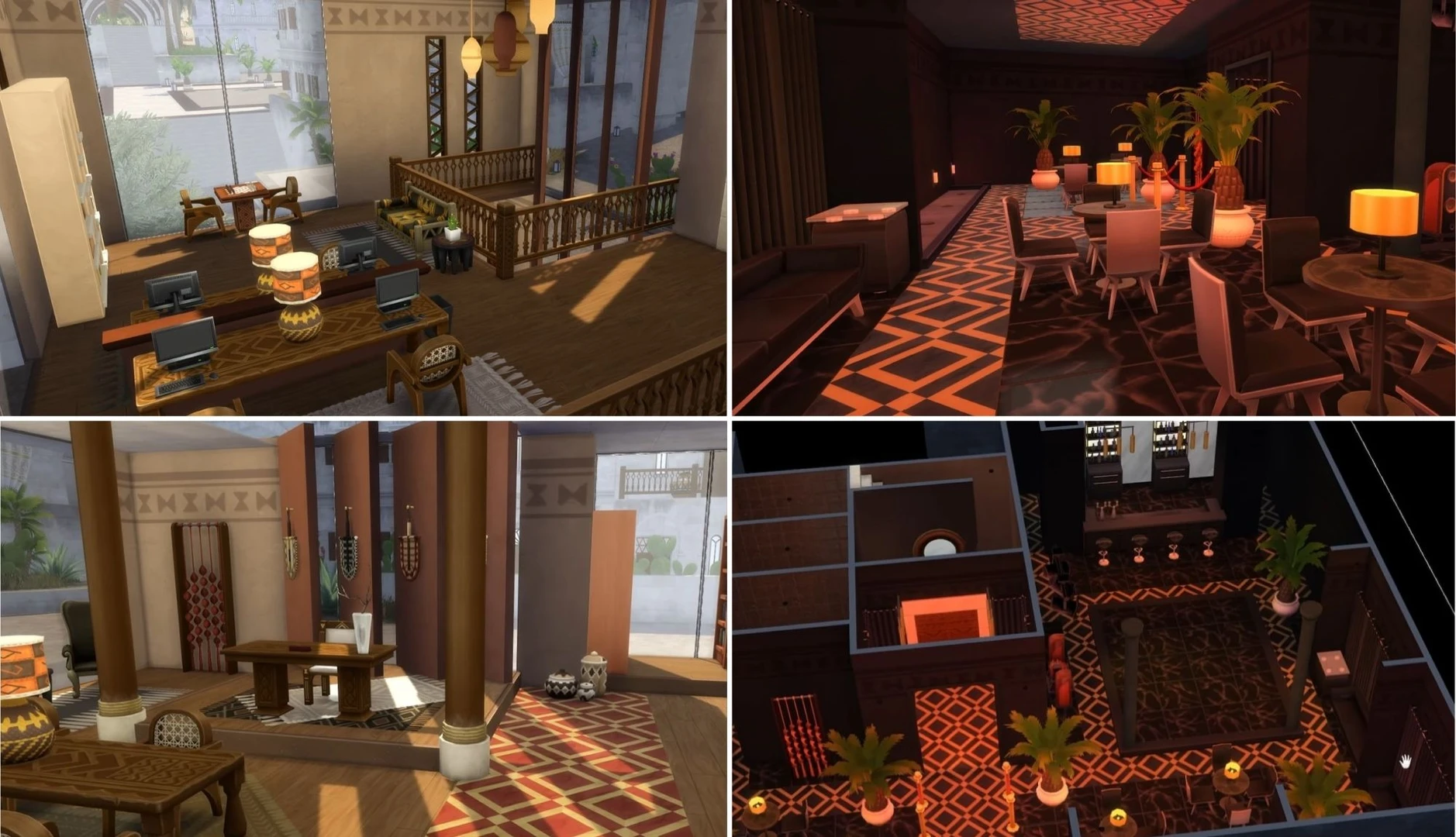
The Backroom Lot is another new and especially intriguing lot type. By day, it functions as a perfectly respectable space — a museum, library, or even a gym. But once night falls, the same building quietly transforms into something entirely different… a bar or a nightclub.
It’s a highly versatile lot type that quite literally changes its purpose depending on the time of day, opening the door to secret meetings, hidden nightlife, and double lives — a perfect fit for a world built on intrigue, reputation, and power.
Bellacorde: aristocracy, ancient dynasties, and duels
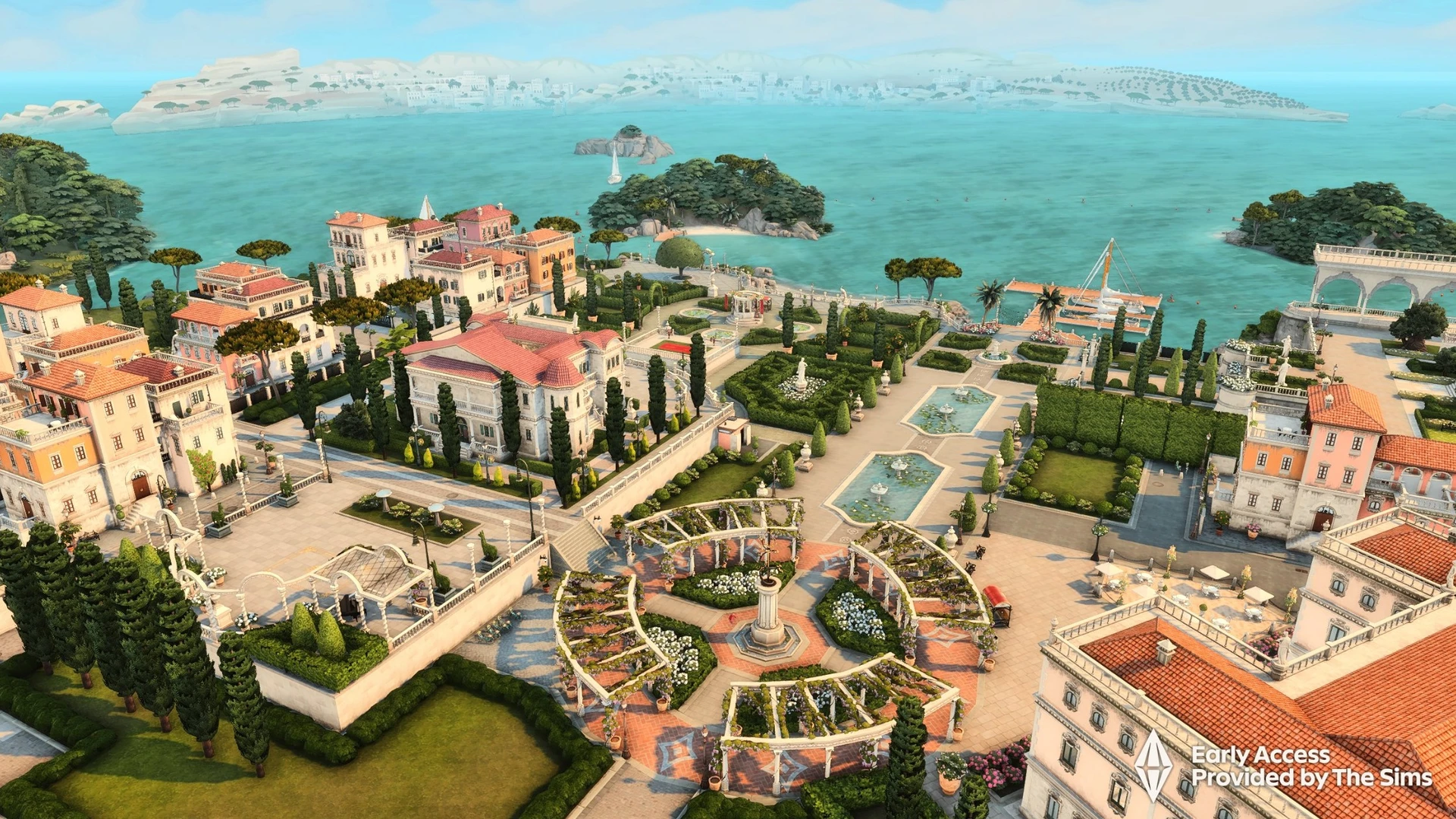
The second region is Bellacorde, inspired by Northern Italy. This is the most openly aristocratic — and arguably the most arrogant — part of the world, where status and lineage matter above all else. It’s here that long-established noble families have already taken root, including fan-favourite dynasties like the Capps and the Montys.
Elegant plazas, grand palaces, and formal architecture immediately set the tone: this is a place of tradition, rivalry, and quiet hostility hidden behind polite smiles. Bellacorde feels like the political heart of Ondarion, where old grudges never truly fade — they’re simply passed down through generations.
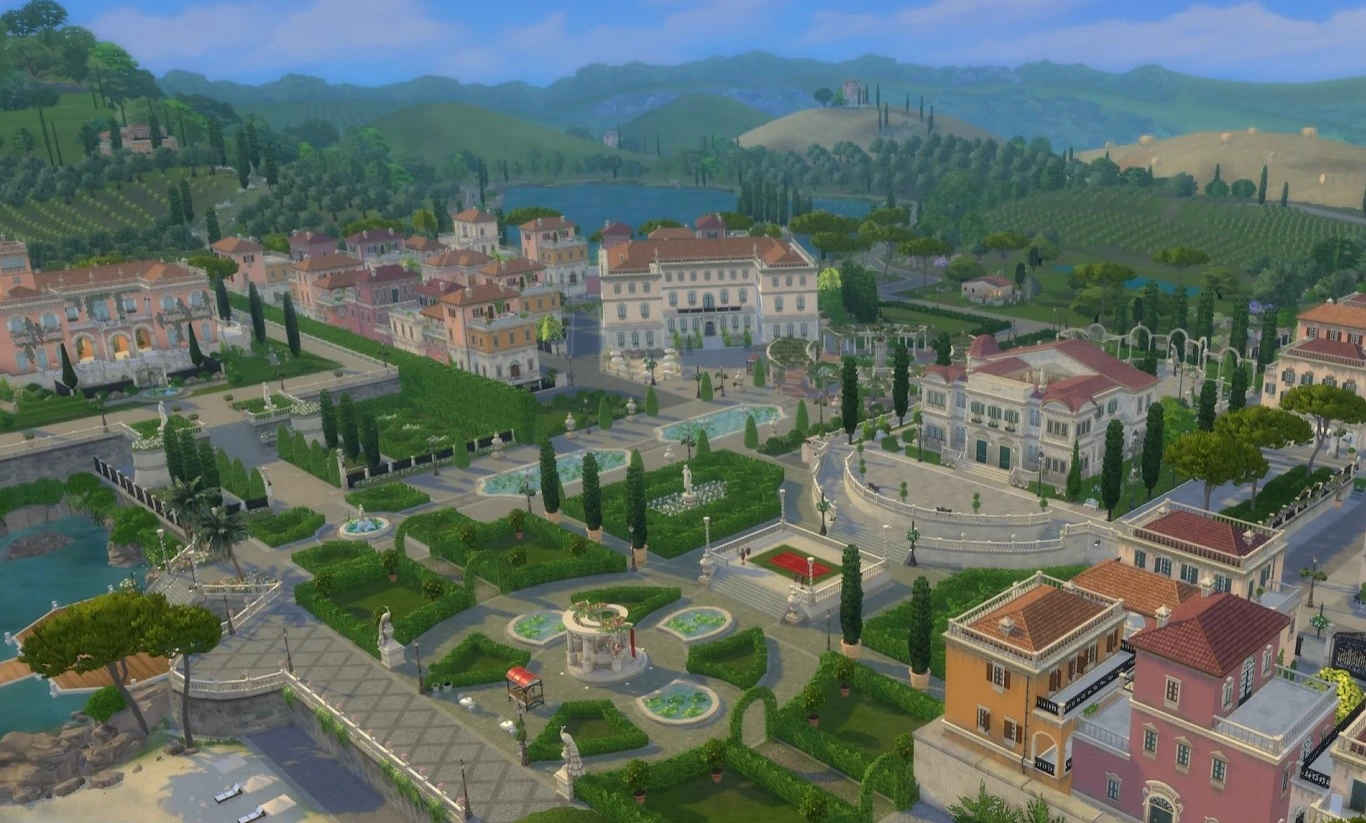
Here you can find luxurious palaces, apartment buildings (yes, apartments are back in the game), curiosity shops, and of course a new dance — the waltz, which can be performed synchronously by multiple Sims at once.
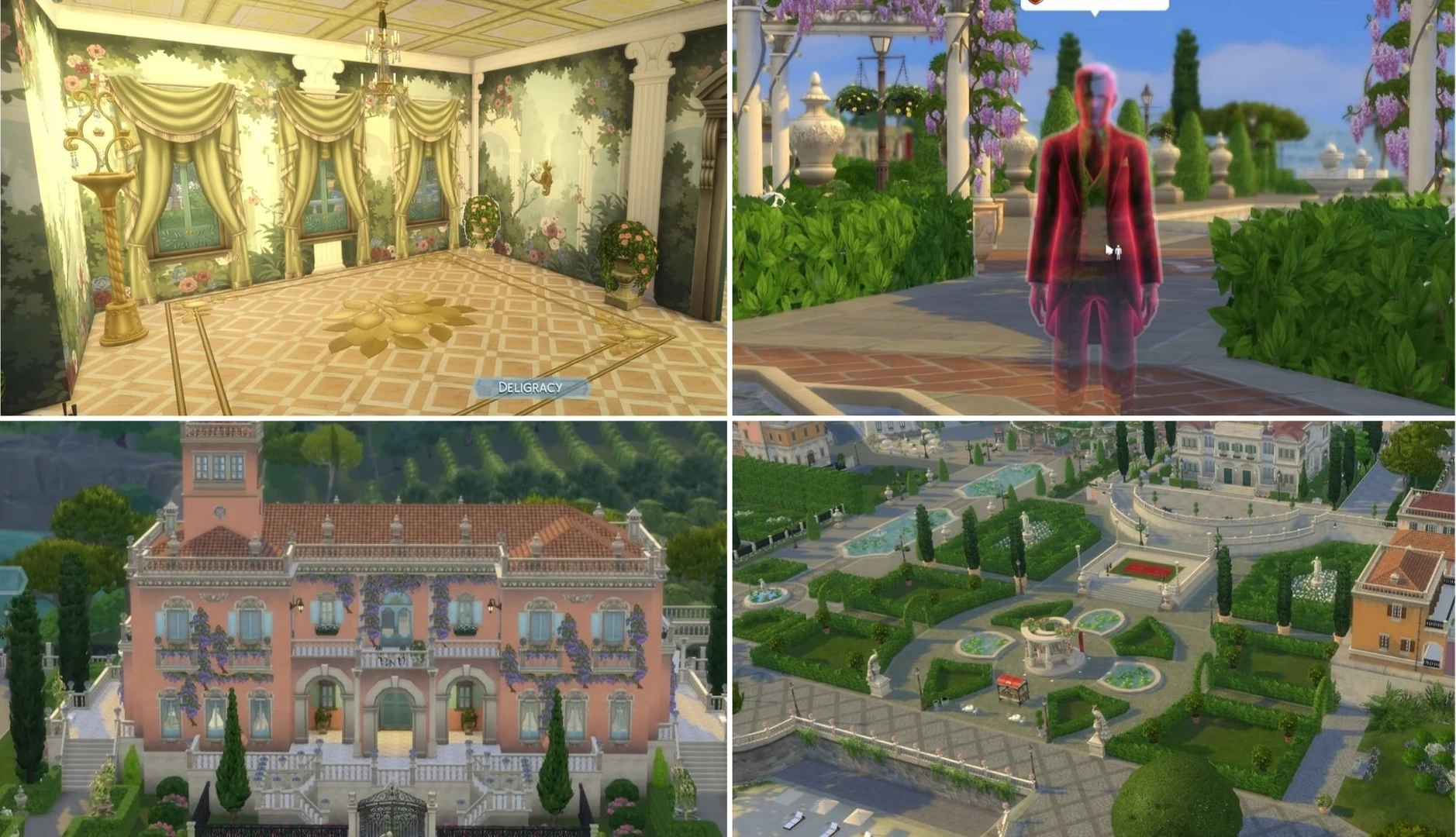
It is in Bellacorde that the classic spirit of Sims-style intrigue is felt most strongly: rivalry between dynasties, a constant struggle for influence, and ongoing tension between powerful families.
Verdemar: pirates, secrets, and dangerous connections
The third region is Verdemar, inspired by Portugal. This is a place where the paths of nobility and pirates have crossed for generations, and where their bloodlines have long since become intertwined.
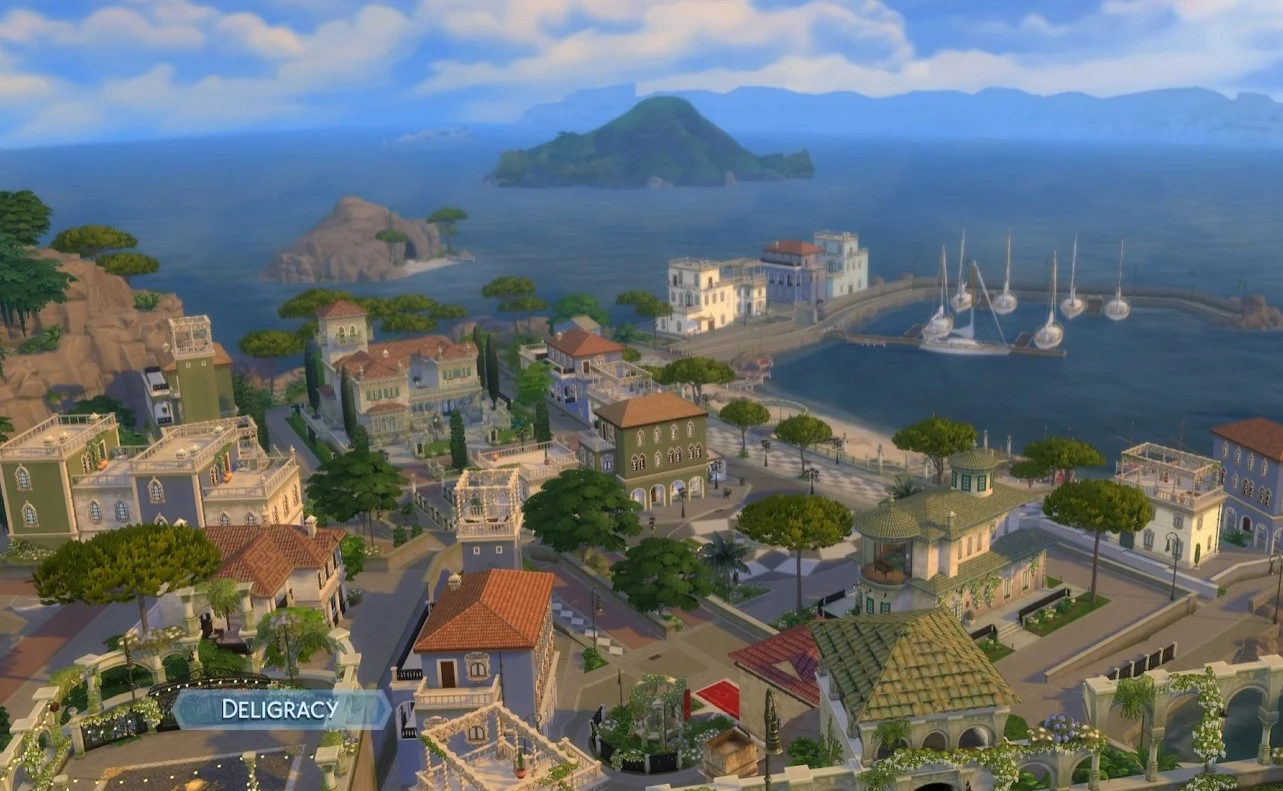
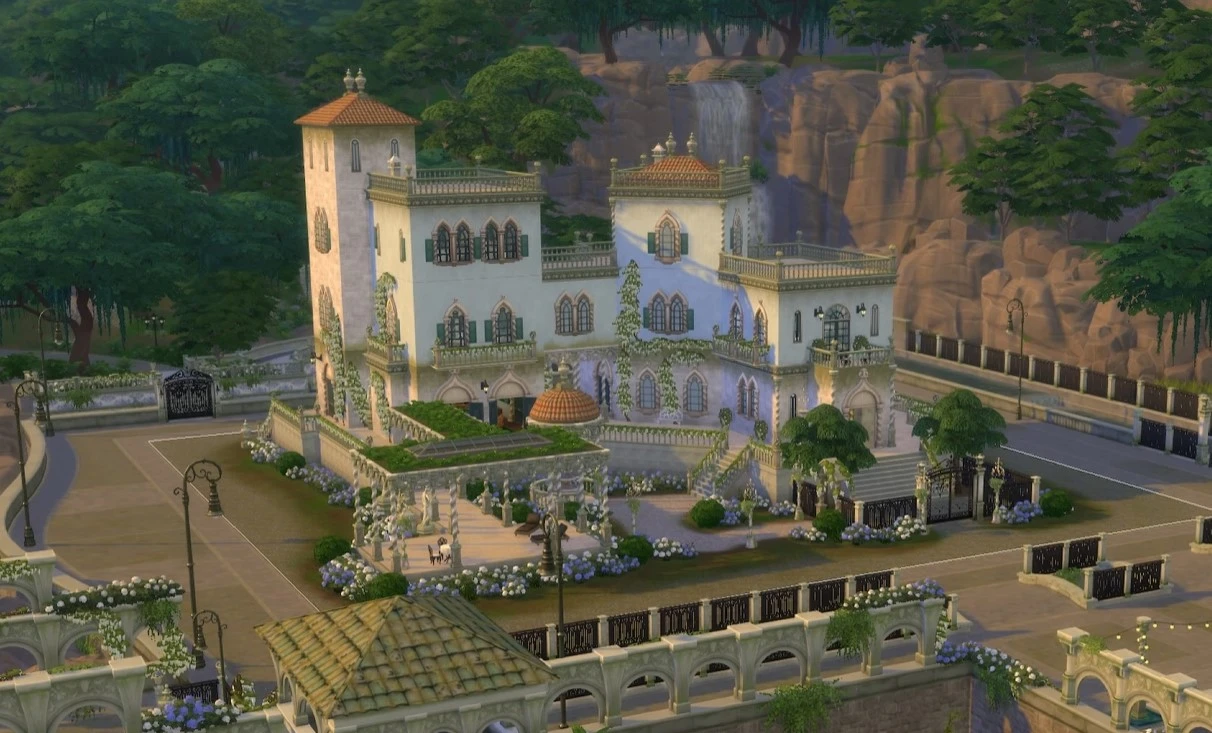
This region is home to Princess Cordelia V’s residence, as well as an old, suspicious bar where you can encounter blackmailers, informants, and the “royal thief” — a figure who steals from the wealthy and helps the poor.
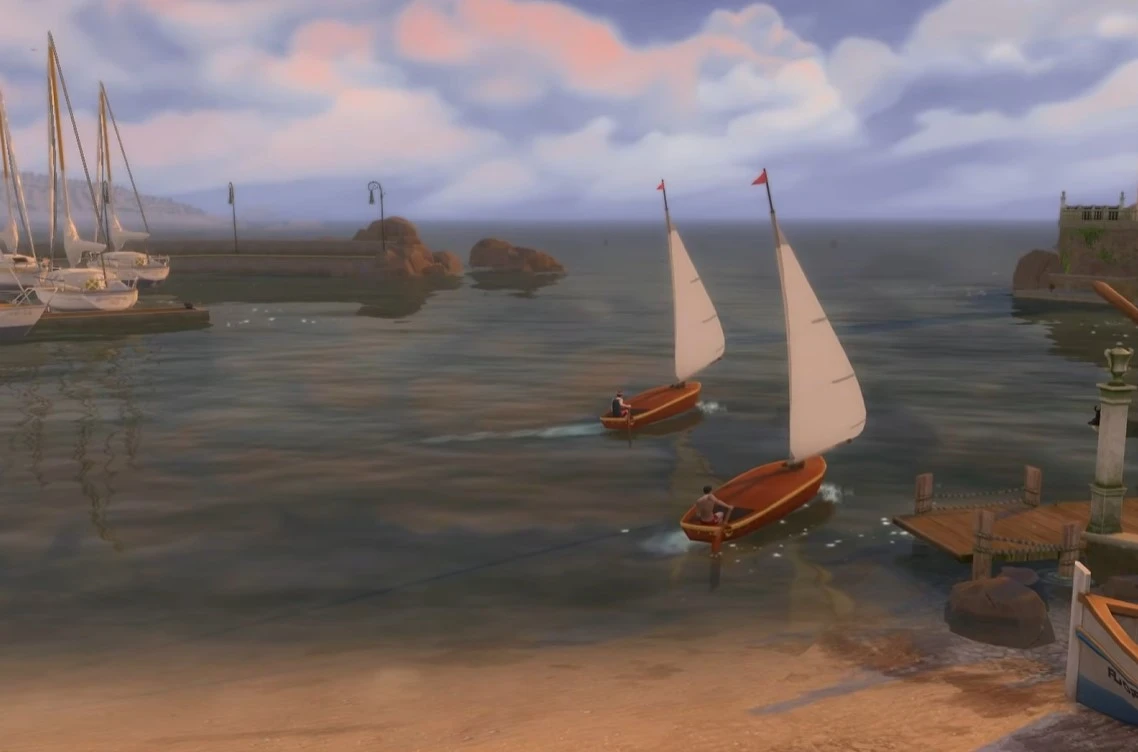
Verdemar’s beaches are not only scenic but also functional: Sims can head out to sea by boat, and from time to time old chests appear along the shore, capable of triggering a so-called shift of power — special events that can change a Sim’s standing within the world.
Swords, duels, and the new Swordsmanship skill
One of the key new features is the Swordsmanship skill. Swords can be forged by a blacksmith, purchased through the computer, or found out in the world.
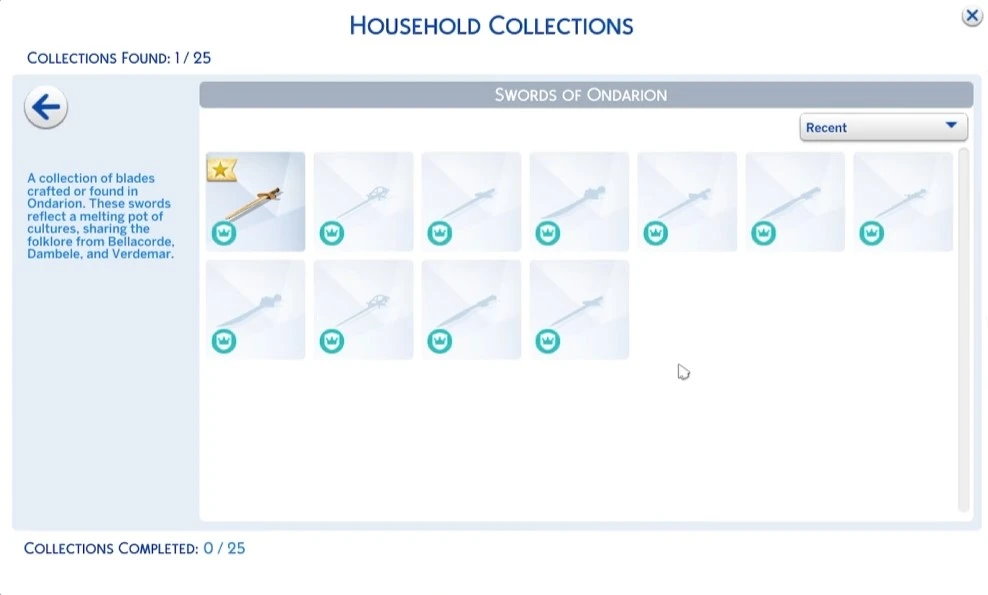
There are 11 unique swords in total, each tied to one of Ondarion’s regions.
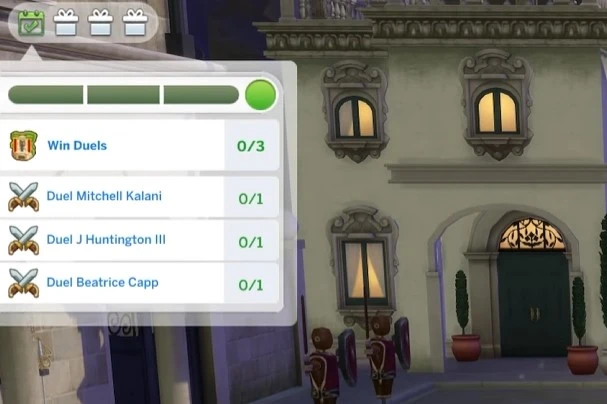
Duels here are far more than simple entertainment. Through them, Sims can earn promotions, defend their place within a dynasty, fight for love, obtain permission to marry, or even overthrow the head of another dynasty.
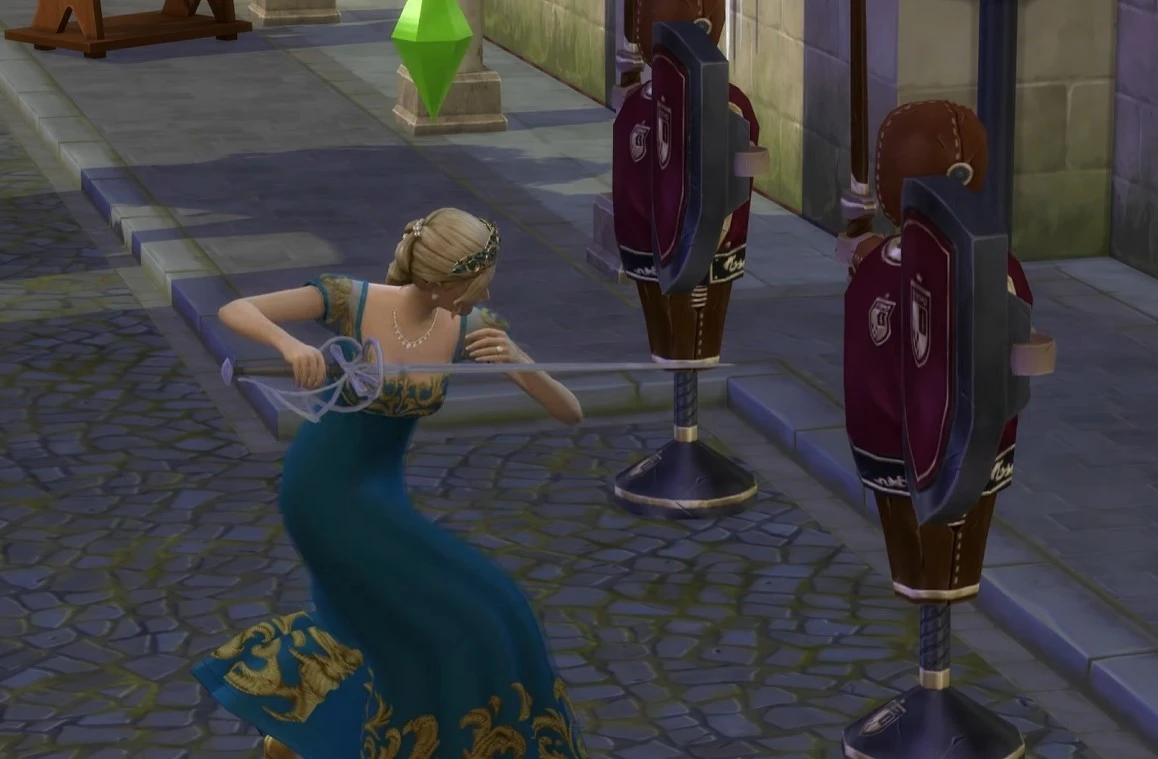
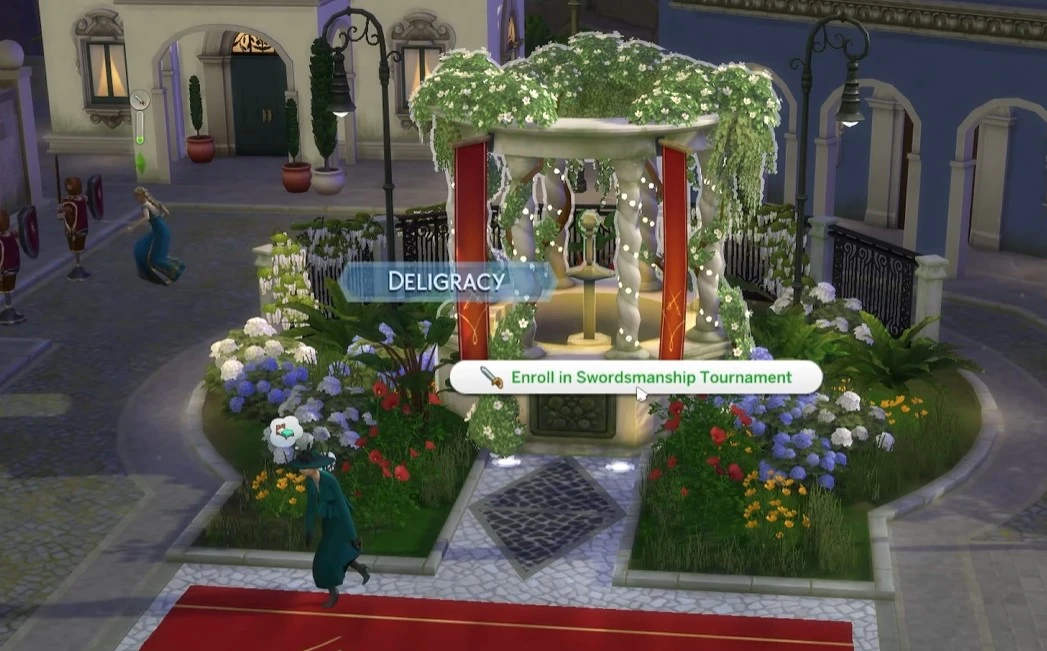
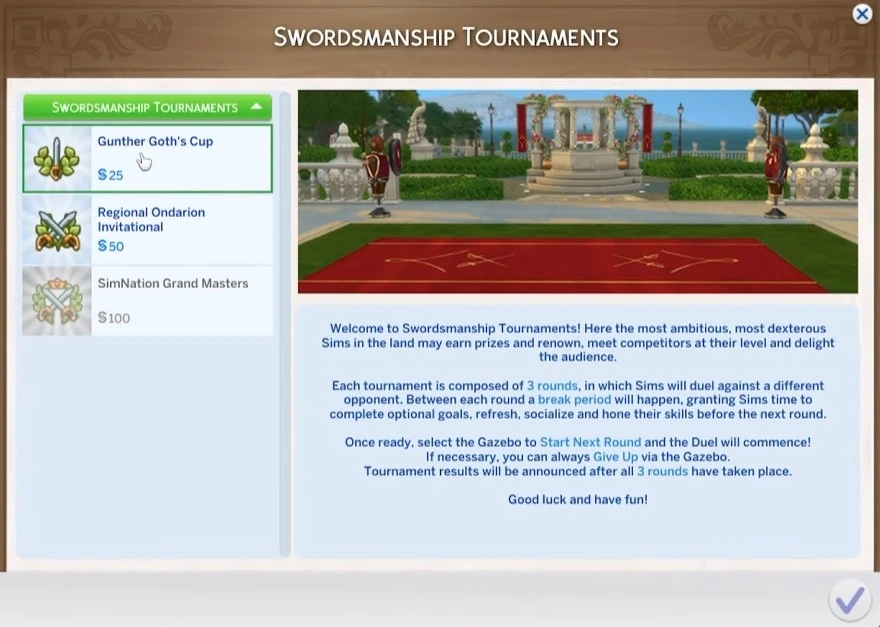
At level five of the skill, Sims gain the ability to fight for their position within a dynasty, and tournaments are presented as full-fledged events with rewards.
Secret Passageways, cuckoo clocks, and… a new death
One of the most unusual details of the expansion is the clock with a Secret Passageways. At first glance, it looks like a simple decorative object, but in reality it grants access to secret corridors and alternative ways of traveling between lots.
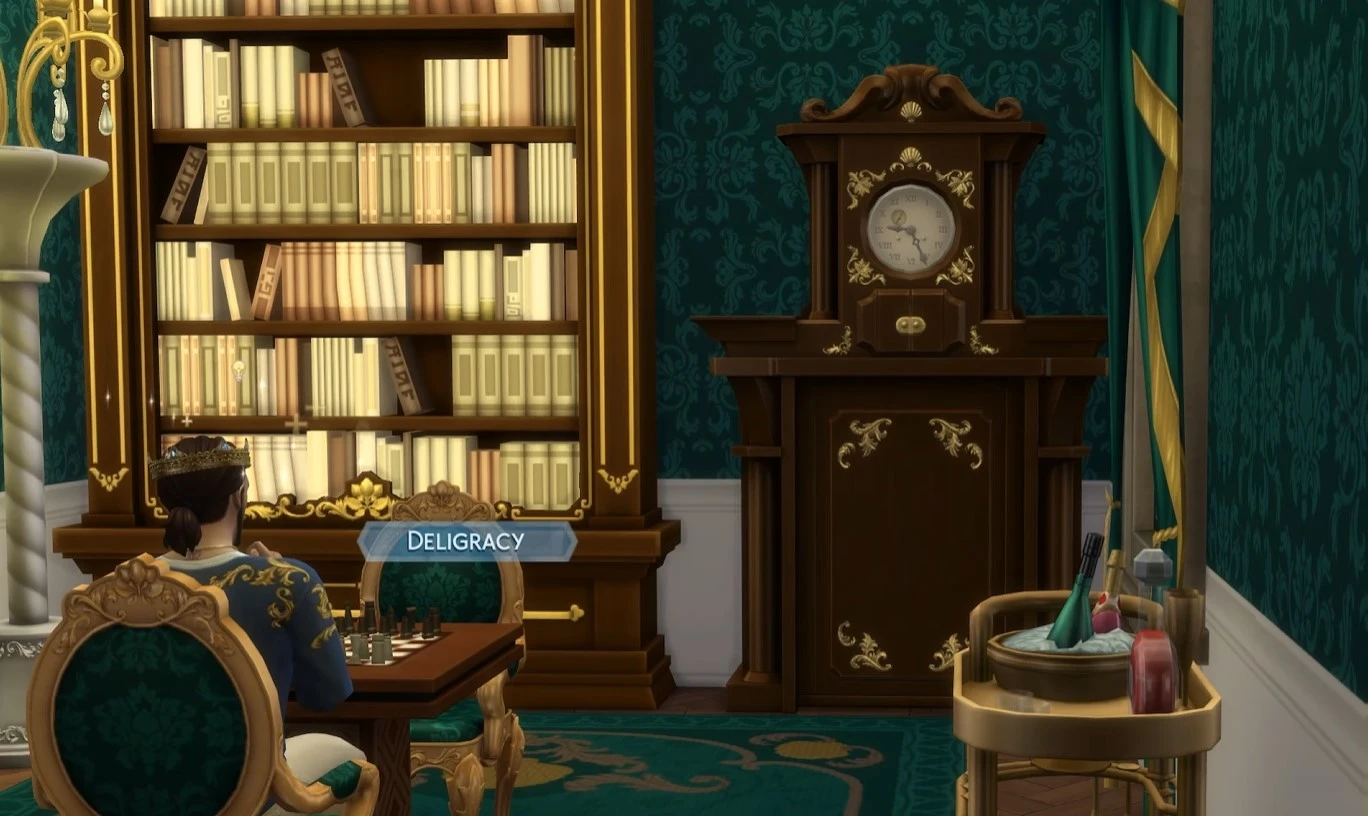
At the same time, the game doesn’t encourage careless use of these mechanics. Sabotaging the mechanism can lead to tragic consequences, including a new type of death. This approach fits neatly into the expansion’s core theme: power and knowledge offer advantages, but they always come with risk.
To discover secret passages, Sims need to study the clock at least once.
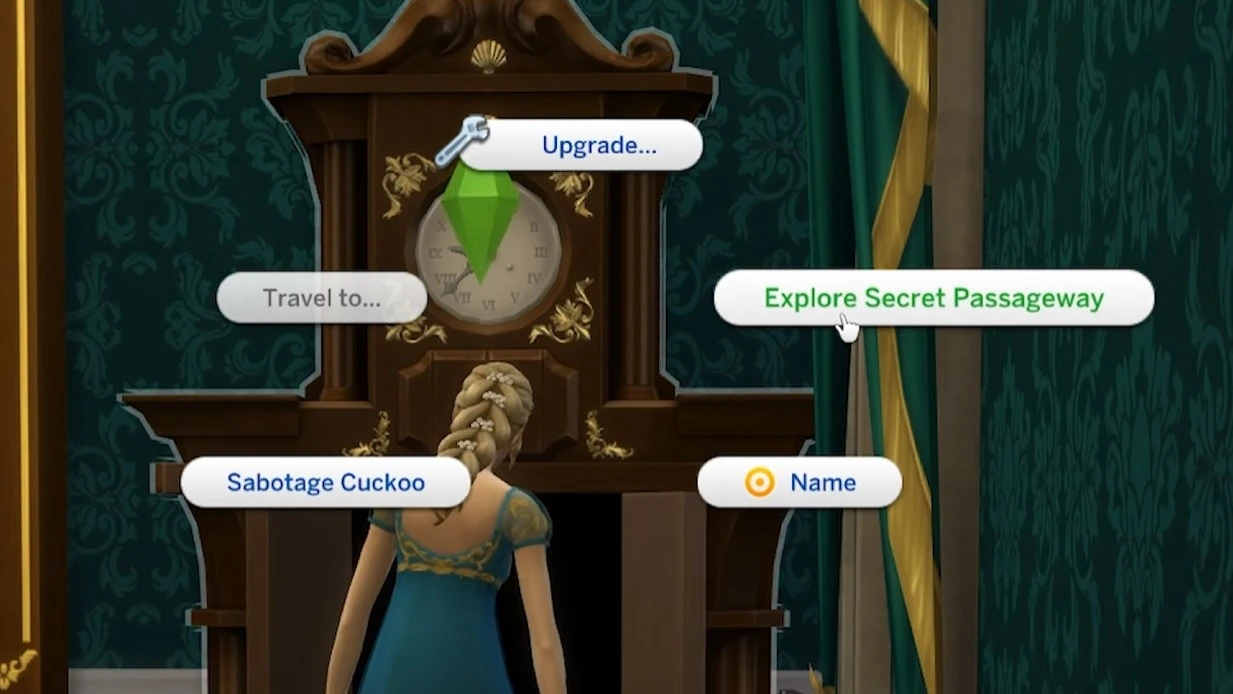
Before that, the secret paths will remain unavailable:
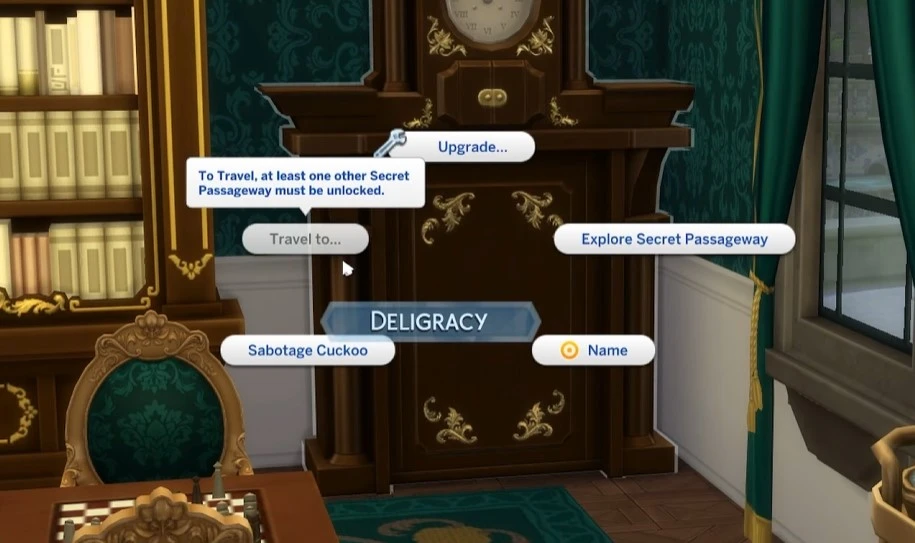
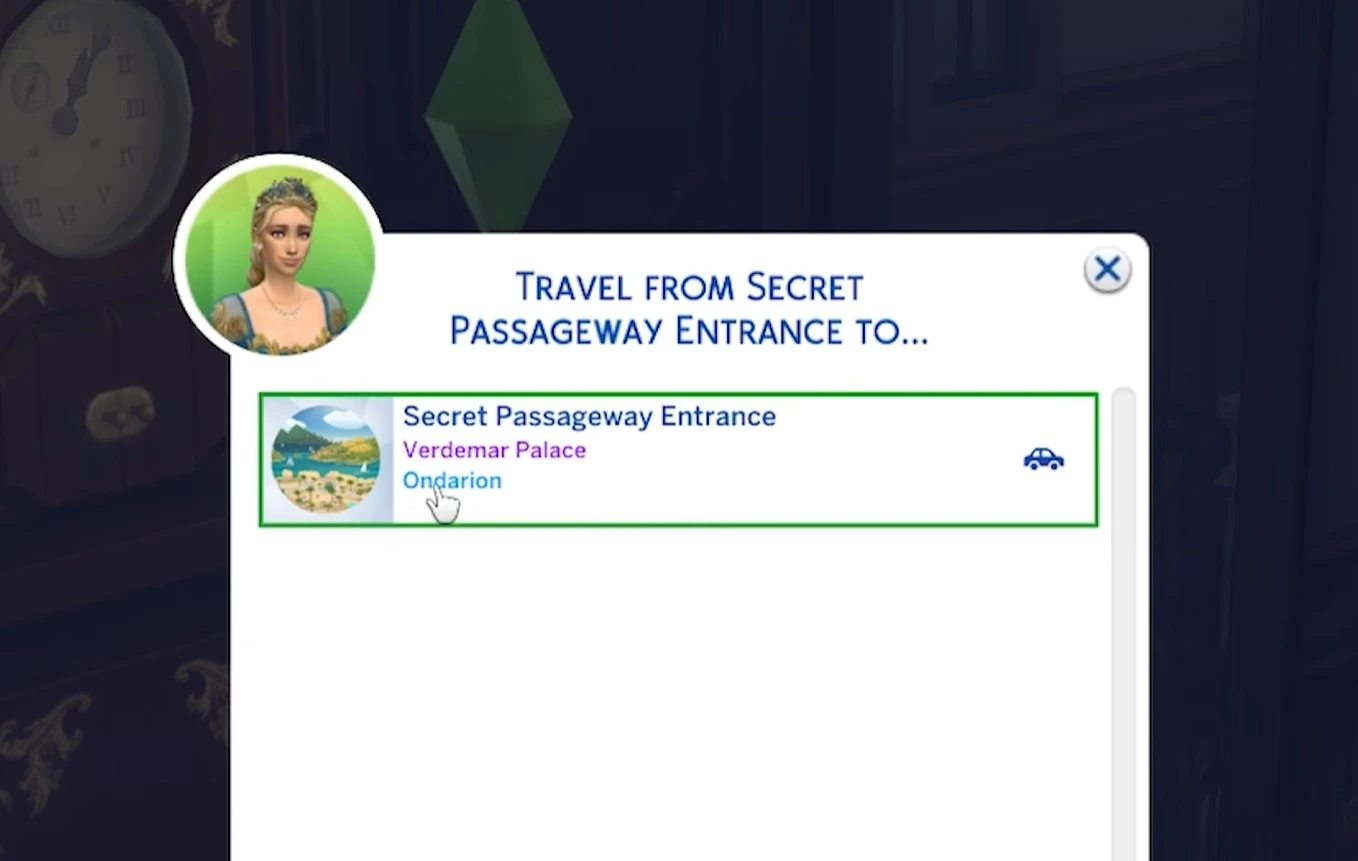
If a Sim manages to discover a passage, it will appear in a menu, allowing you to choose where you want to travel.
Dynasties — the heart of the expansion
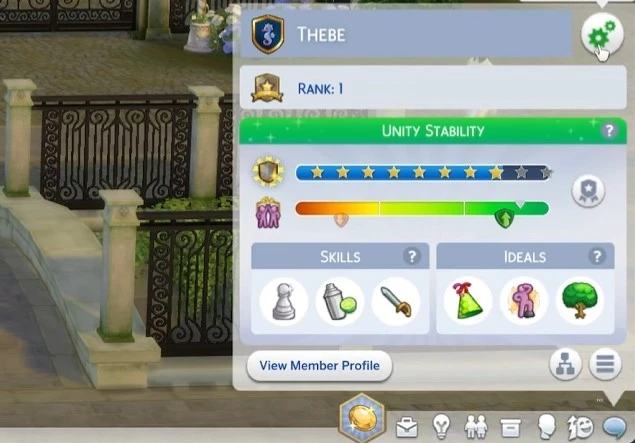
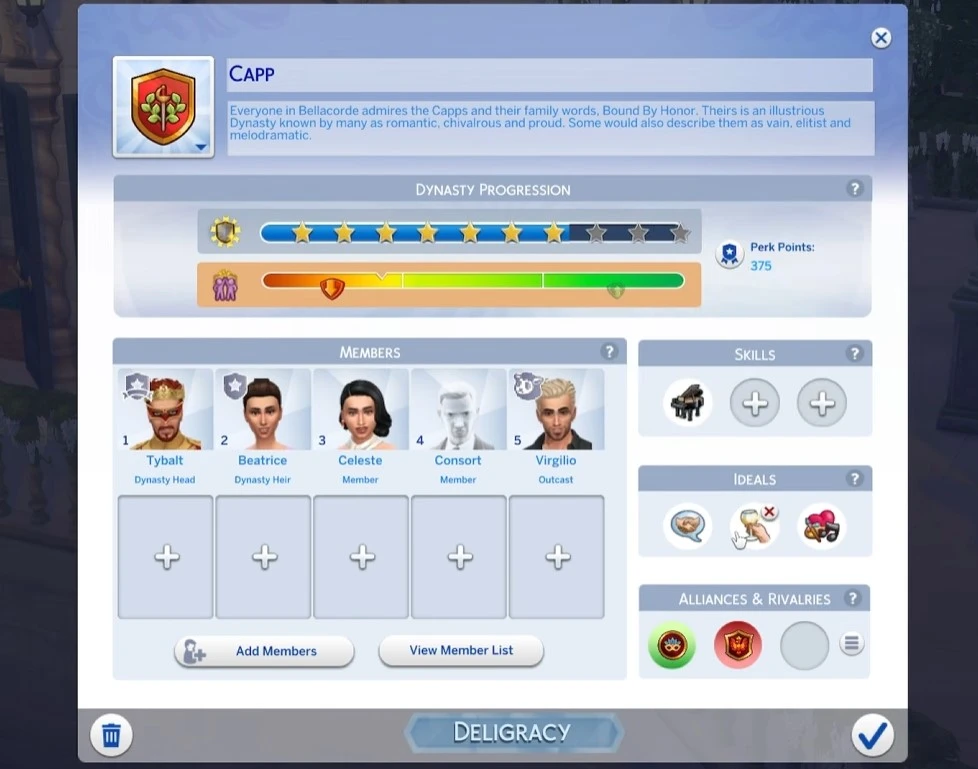
The core mechanic of Royalty & Legacy is the Dynasty system. Each dynasty has its own values, ideals, and a prestige level that is shaped by the actions of all its members. This creates the feeling that you’re no longer managing a single Sim, but an entire family system.
If a Sim goes against their family’s values, it directly impacts the reputation of the entire dynasty. At the same time, successful actions grant bonuses and unlock privileges that can carry forward for multiple generations. One of the more interesting elements is the outcast system — Sims who technically remain part of the family, but no longer contribute to the dynasty’s prestige.
Family secrets, forged bloodlines, and secret children
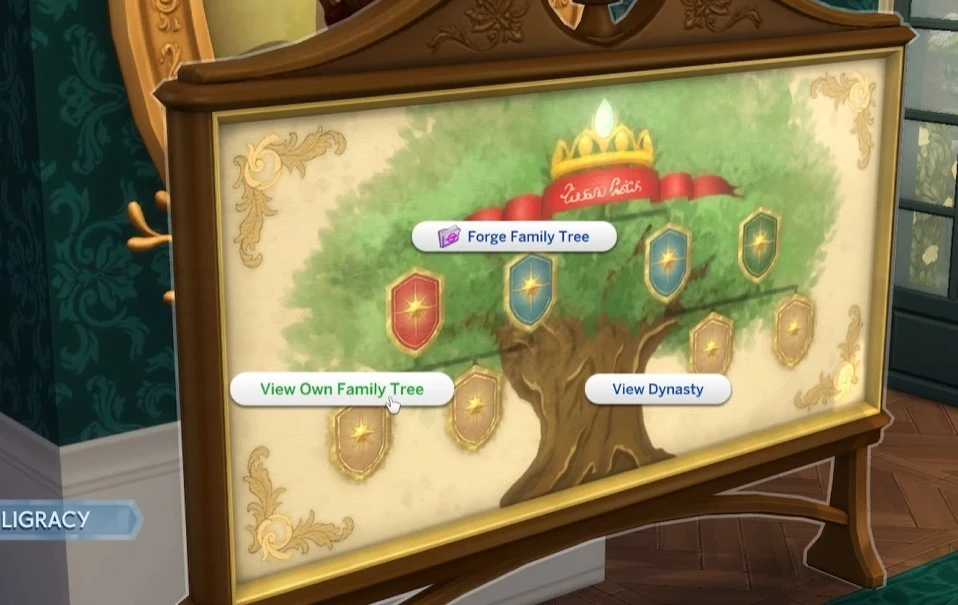
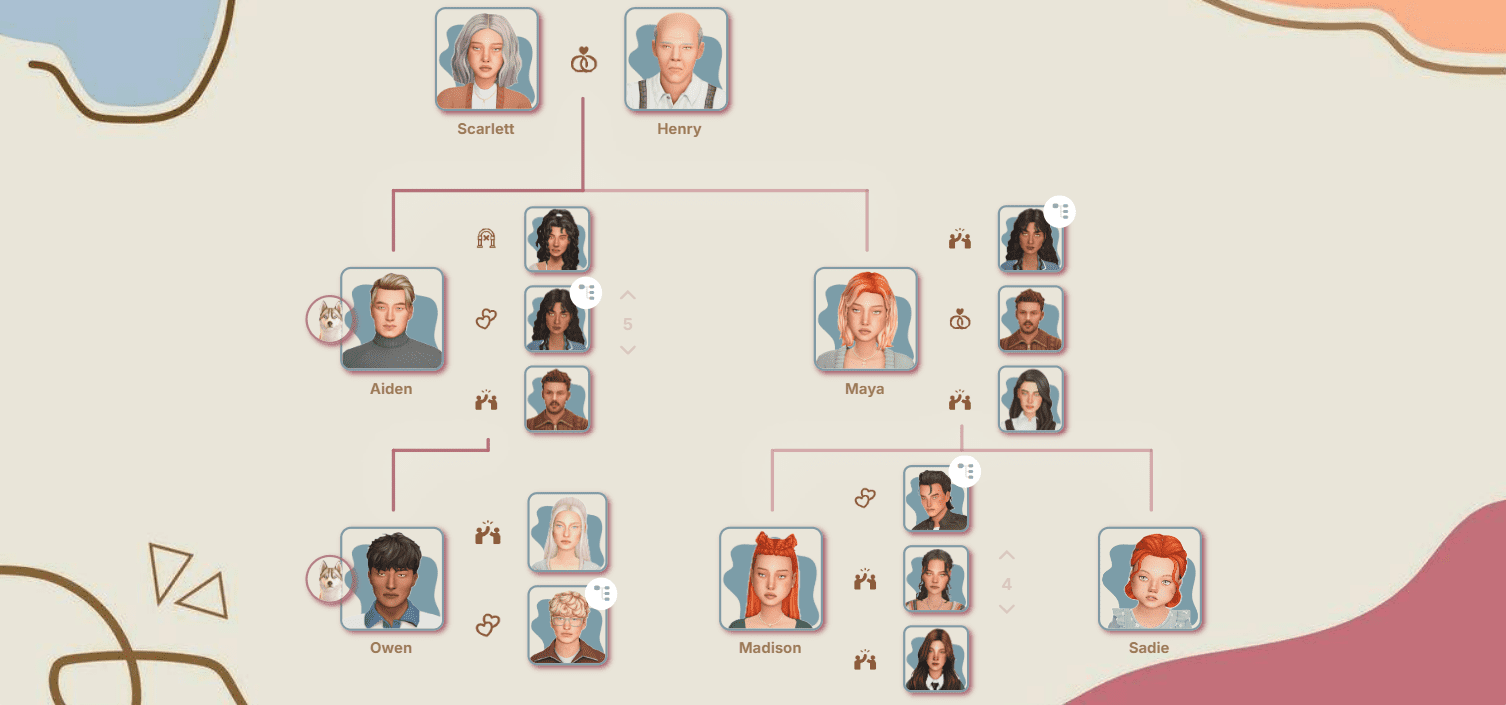
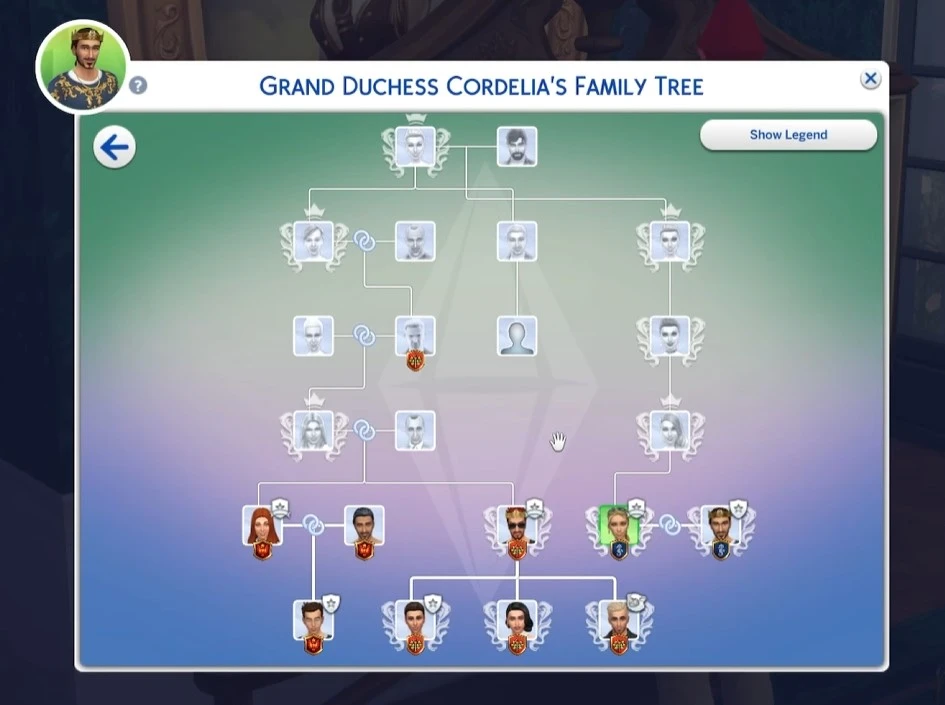
The updated family tree is no longer just a visual overview of relatives — it becomes a full-fledged storytelling tool. The game allows players to hide a child’s real parents, create fake family ties, and even infiltrate other dynasties by forging bloodlines.
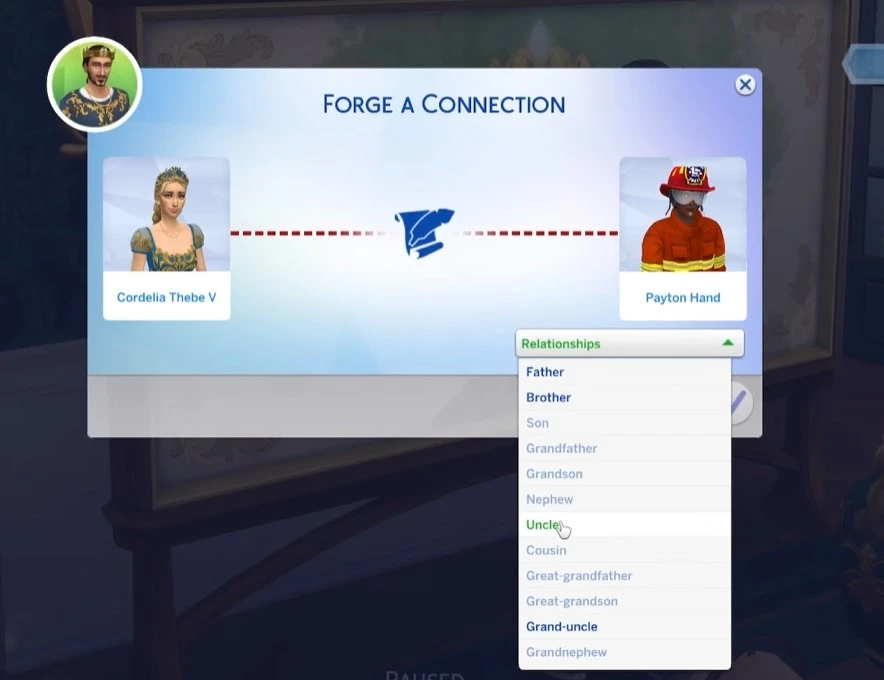
Secret children, the adoption of adult Sims, and false family connections feel like a natural extension of the expansion’s focus on intrigue. As long as a secret remains hidden, society accepts the lie as truth — but once it’s exposed, the consequences can be severe.
The noble career and the fight for the throne
The aristocrat career turns political struggle into full-fledged gameplay. There can only be one ruler in the world, and the path to that status is never guaranteed.
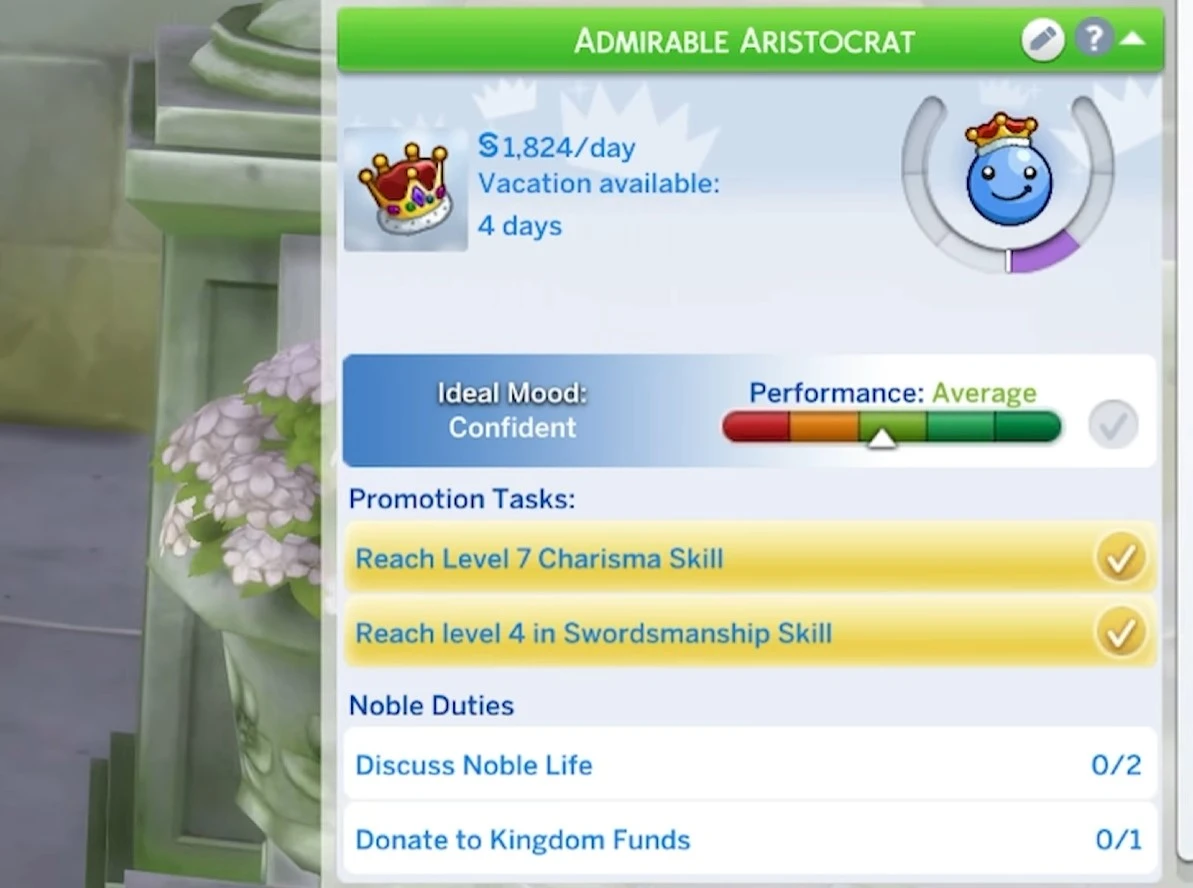
The player decides how to advance — through official events, manipulation, or the direct removal of rivals.
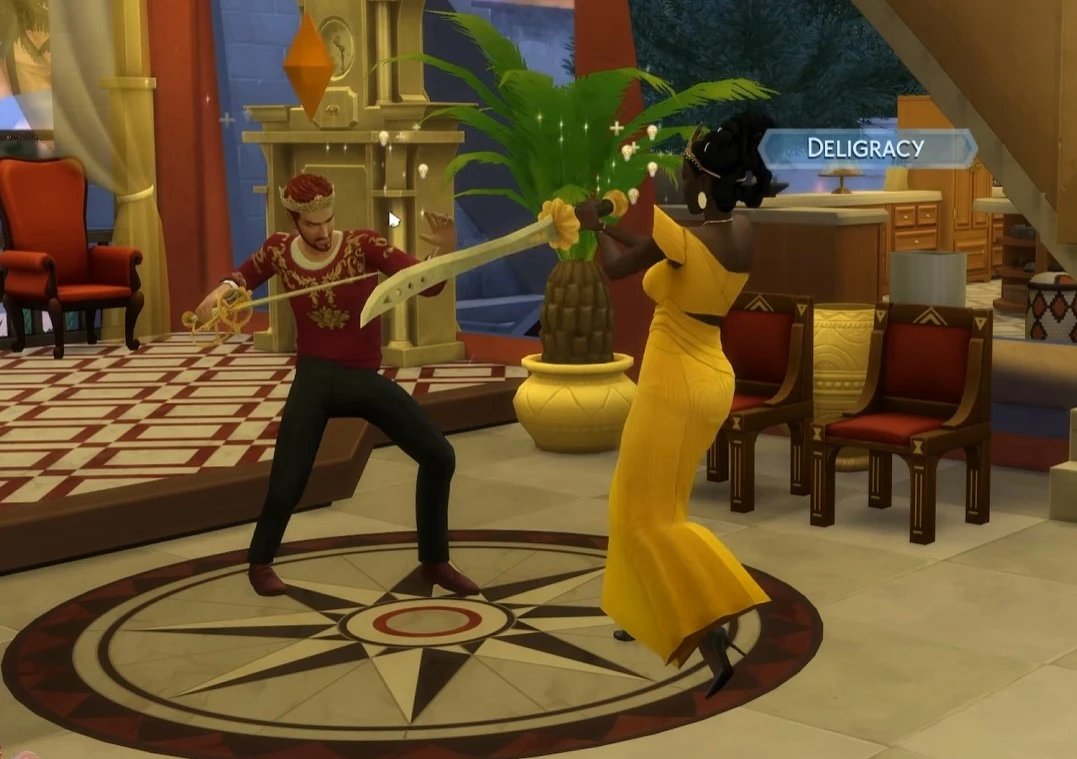
Importantly, titles are inherited. Children automatically receive a status based on their parents’ position, making family decisions especially meaningful.
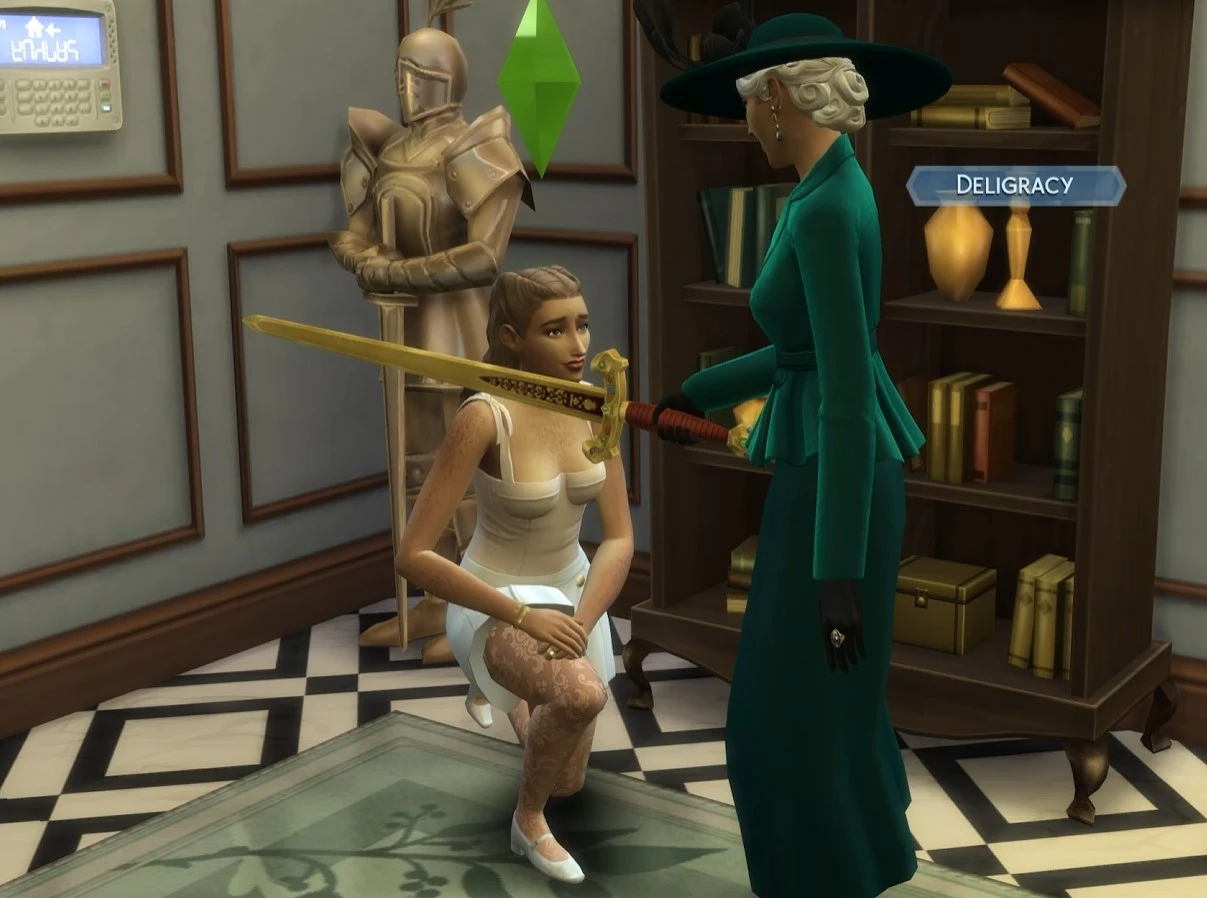
An interesting detail is that players will be able to rename titles. Essentially, this opens up room to role-play almost any kind of kingdom your imagination can come up with.
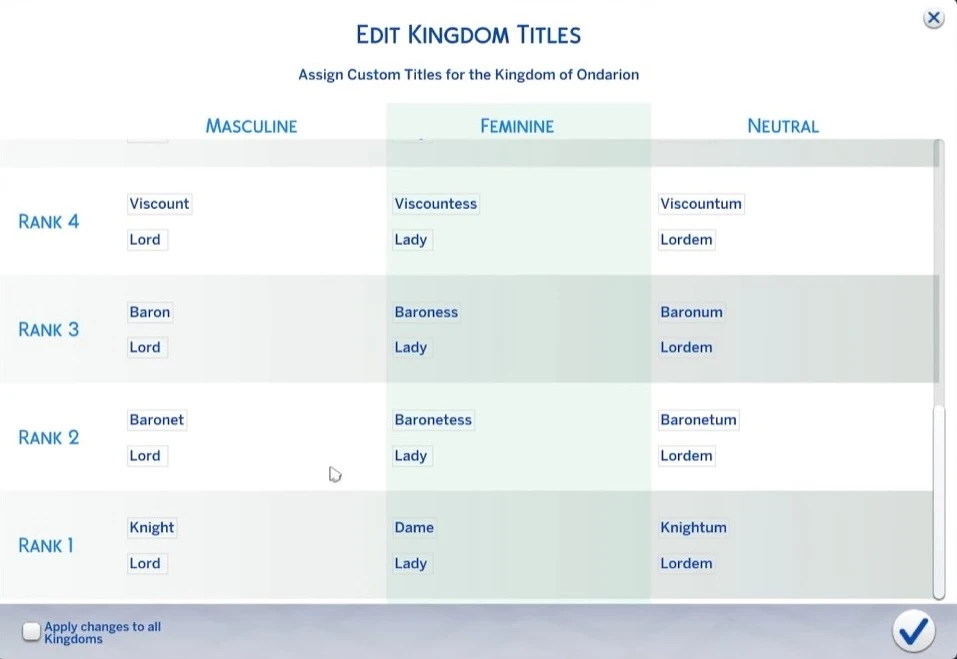
The magical frog and the prophecy of a shift in power
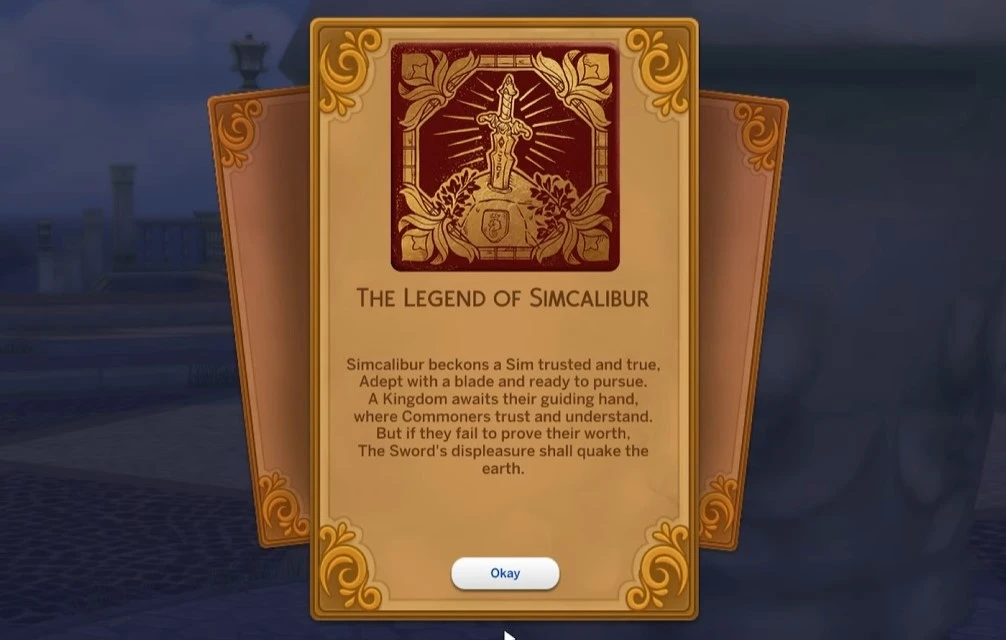
One of the most fairy-tale-like yet dangerous elements shown in the video deserves special attention — the magical frog, which is directly tied to a possible change of ruler in Ondarion.
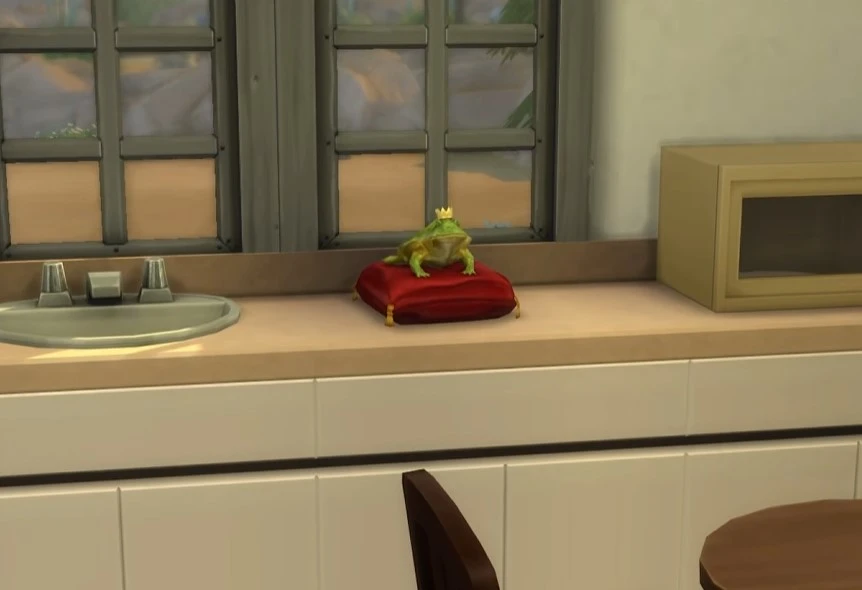
In the preview, this moment is shown through Johnny Zest, who suddenly finds himself at the center of an ancient prophecy. The Sim discovers a strange frog, and the game makes it very clear: this is not just a collectible item. According to legend, it may be the key to changing the fate of the entire kingdom.
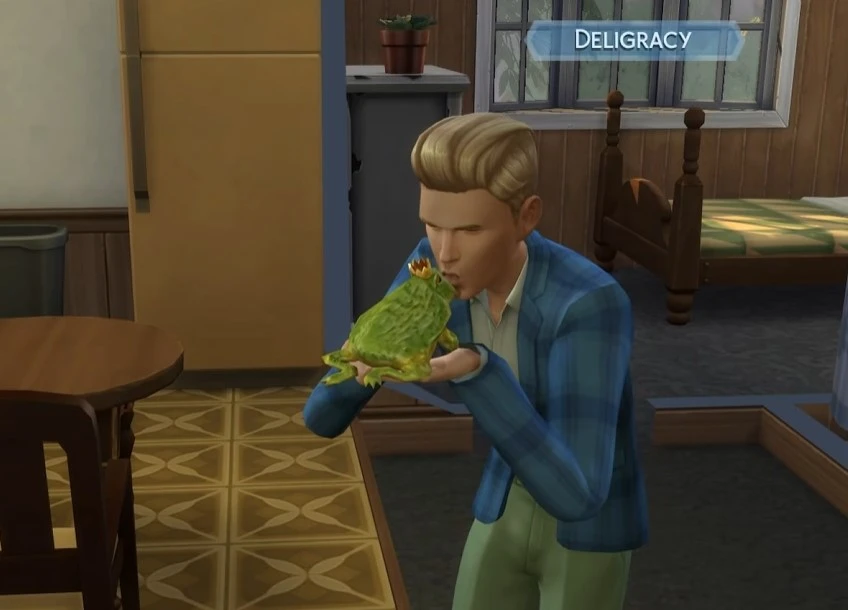
The player is given a choice — to try kissing the frog in hopes of a magical transformation and the favor of fate. However, as shown in the video, this path offers no guarantees. The kiss may fail entirely, forcing the Sim to prove their right to the throne through other means.
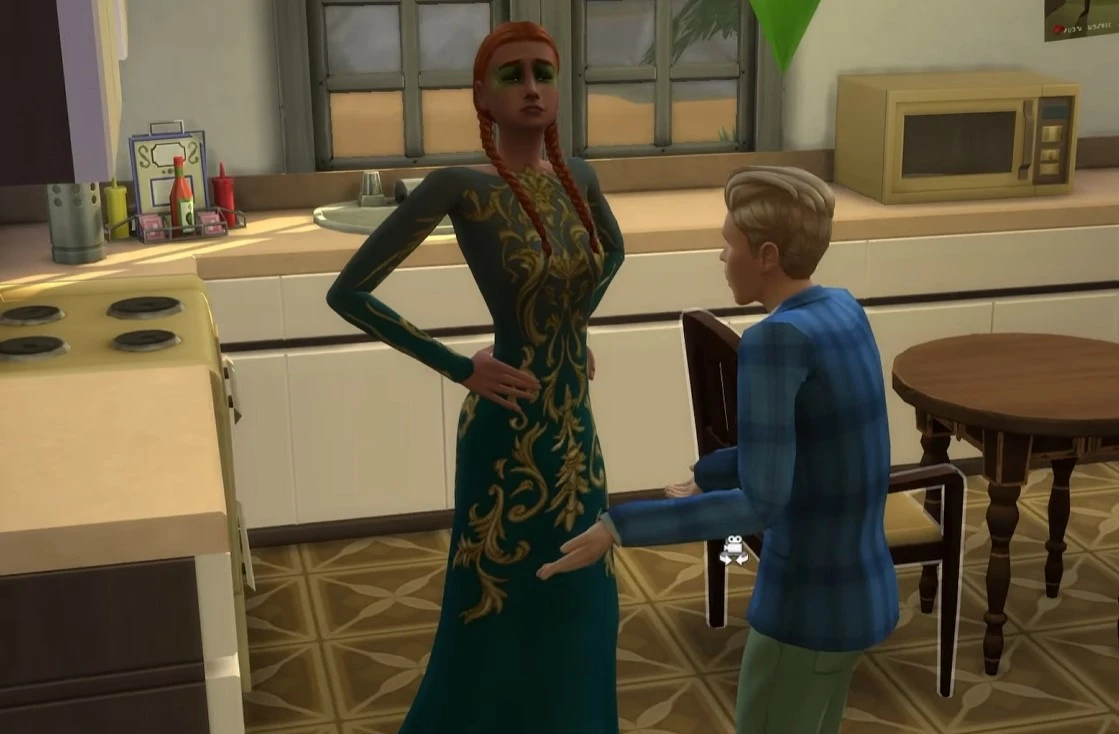
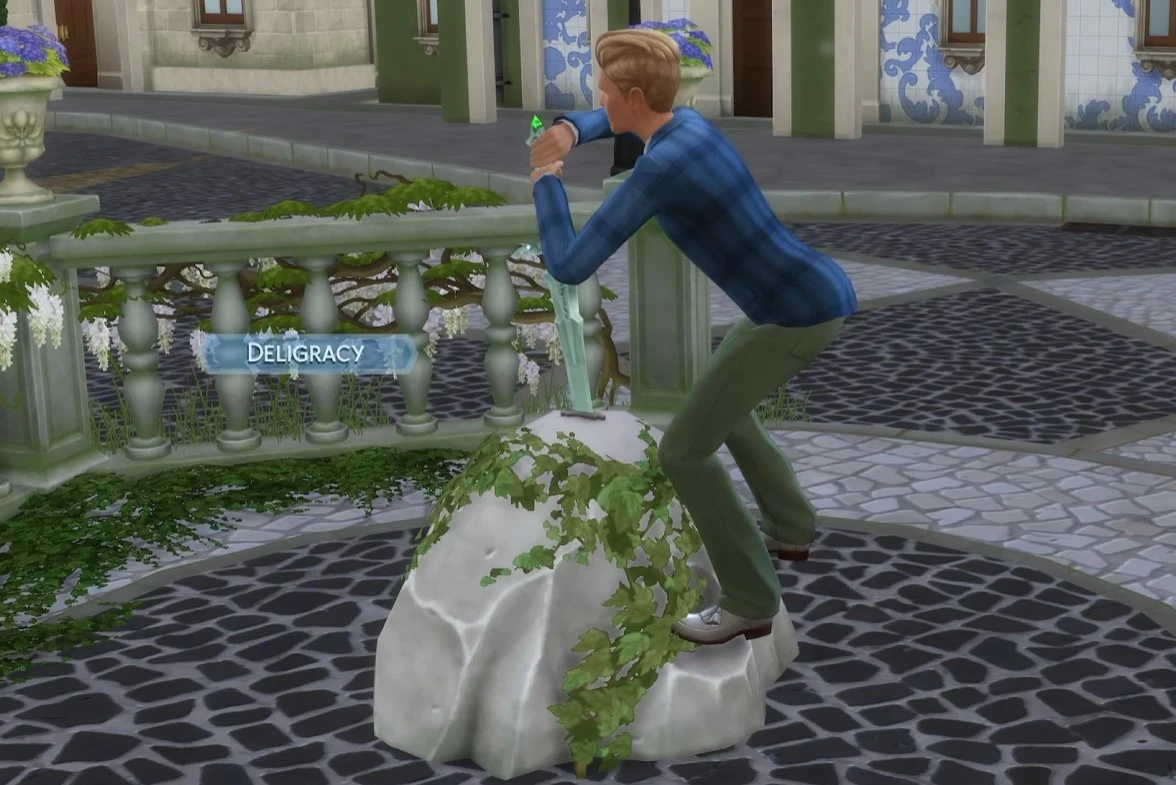
And here the expansion makes an important point: power cannot be obtained by chance. Even if a prophecy points to a Sim, they must still prove themselves.
Balls, scandals, and social life
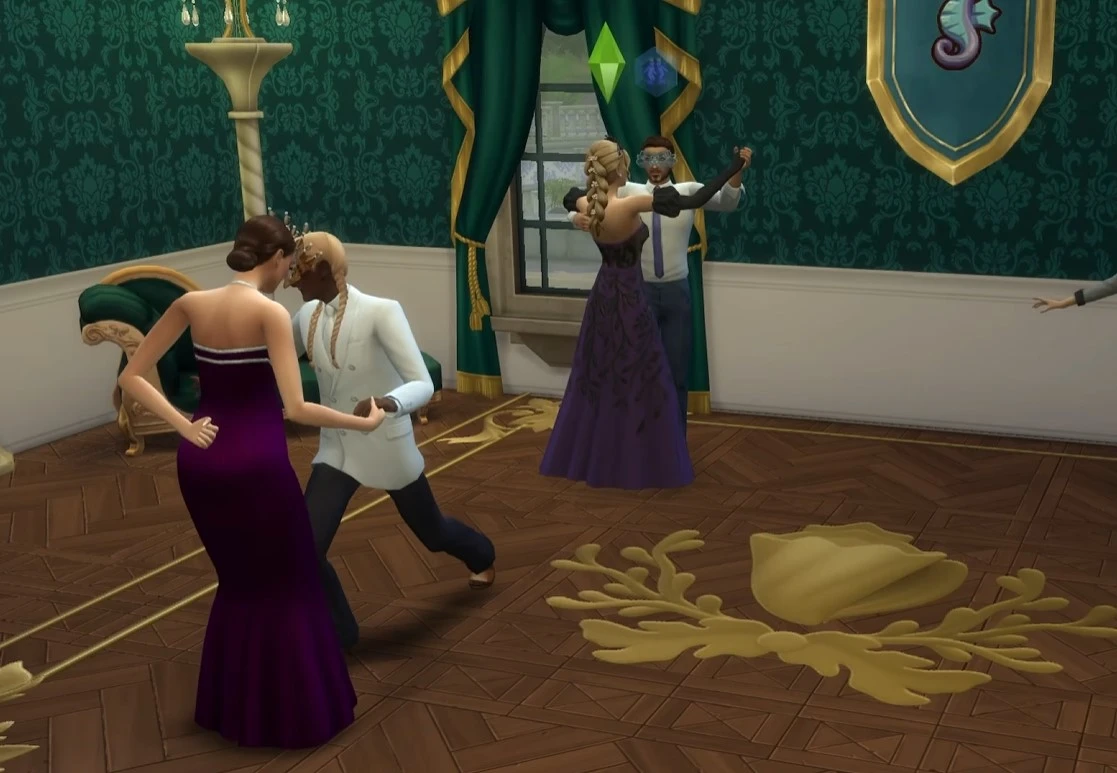
High society in the expansion is represented through grand balls. These events place a strong emphasis on appearance, partner choice, and behavior — all of which directly affect future relationships. The new waltz becomes the highlight of such gatherings, visually reinforcing the atmosphere of the era.
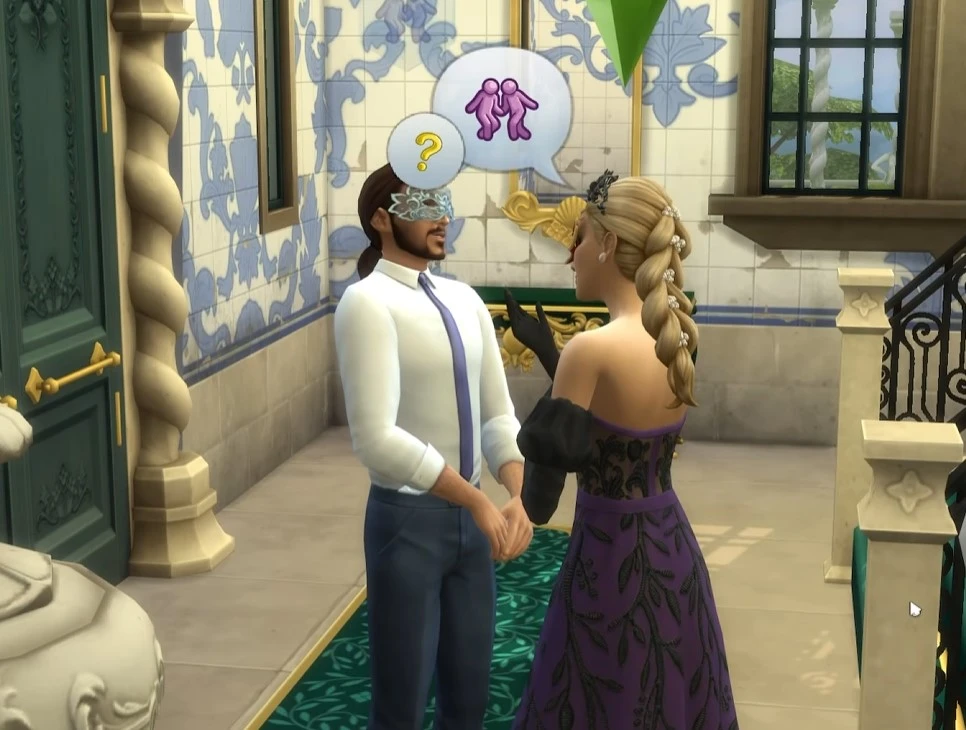
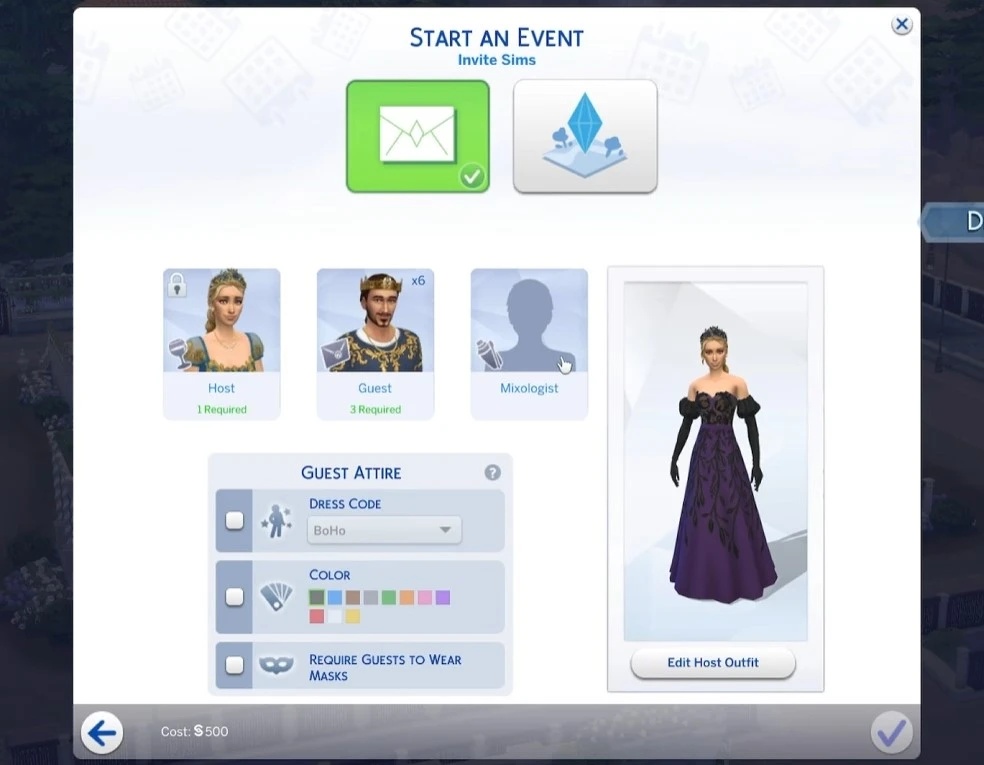
Planning these events works much like organizing a wedding: the player chooses the outfit, the guest list, and the venue. Additionally, there’s an option to decide whether guests should arrive wearing masks.
At the same time, the gossip and blackmail system develops alongside social events. Sims can collect secrets, trade them, and use them to their advantage, adding a layer of strategy and careful scheming to the gameplay.
For example, this is what purchasing someone else’s secret from an anonymous broker looks like:
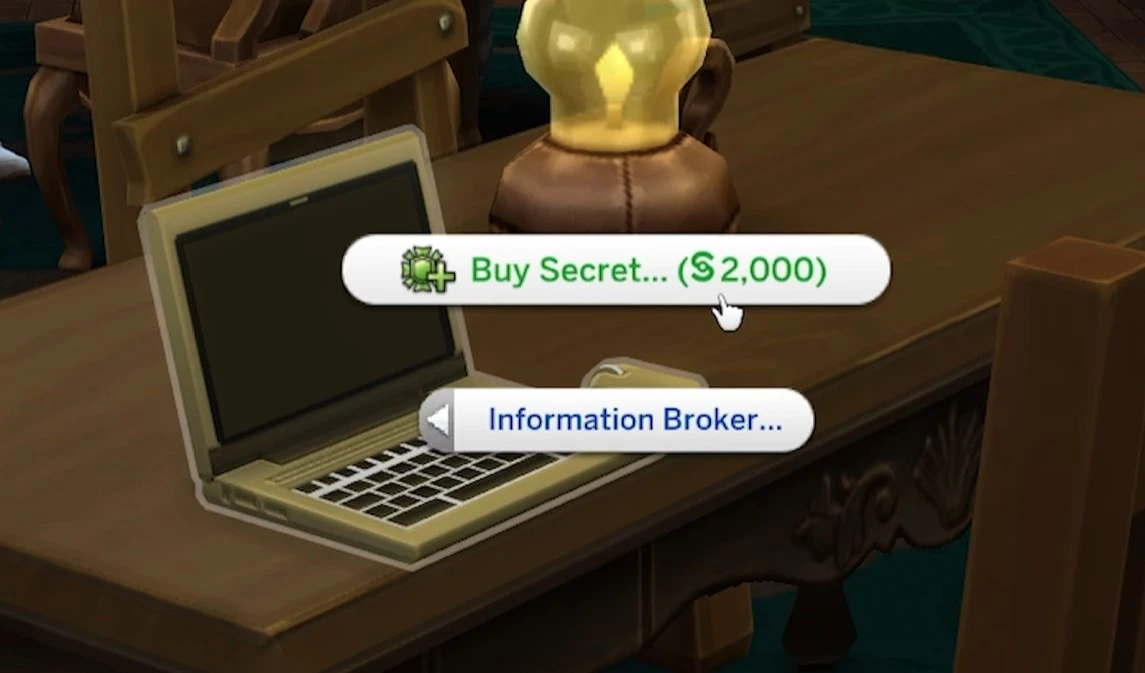
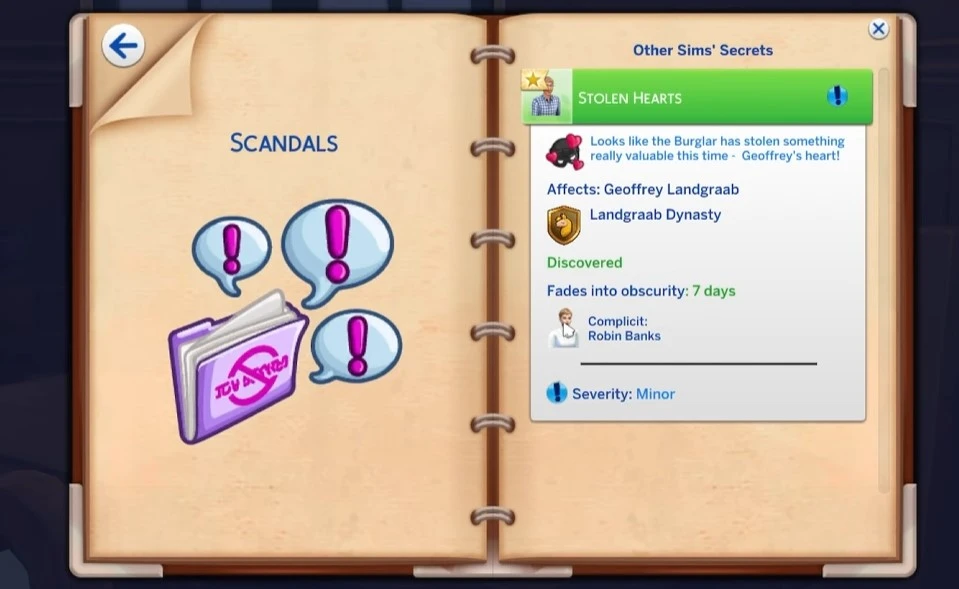
After payment, a window appears showing a potential scandal, which the player can either choose to believe — or dismiss entirely.
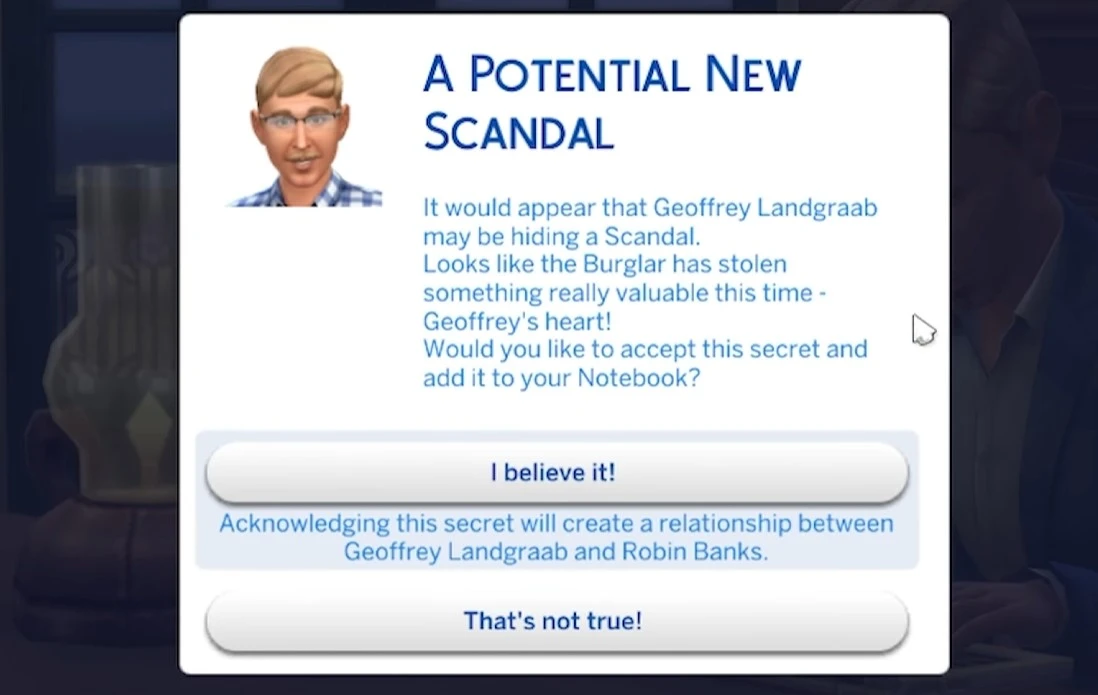
If the Sim accepts the scandal, it will be recorded in their notebook.
CAS and Build Mode: strong visuals, but with caveats
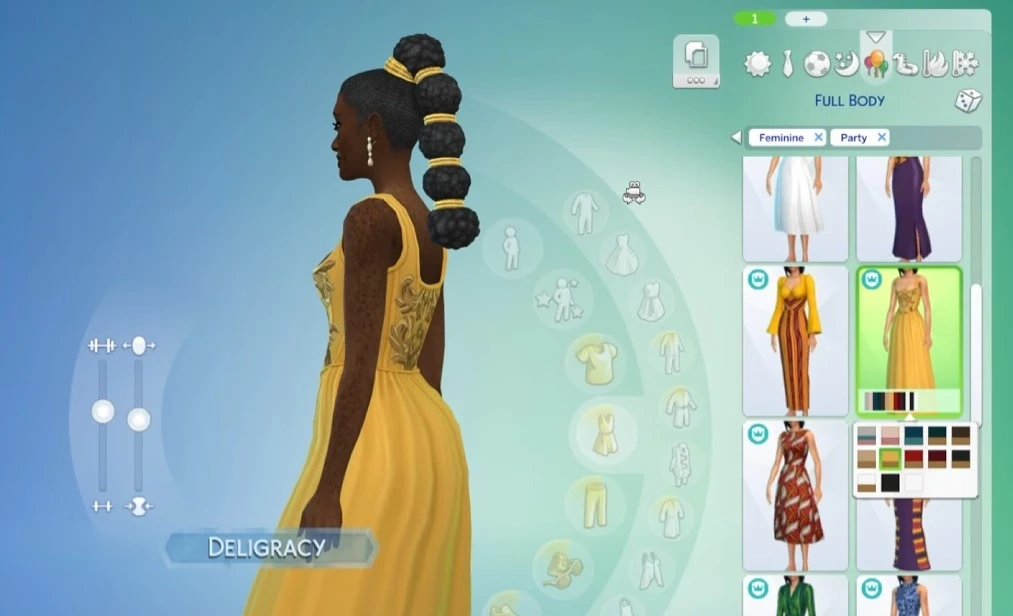
From the first previews, Create-a-Sim looks like one of the strongest aspects of the expansion. Hairstyles, dresses, jewelry, and children’s clothing do an excellent job of capturing the atmosphere of nobility and court life. We’ve covered a detailed breakdown of all the expansion’s items in a separate article.
Build Mode also impresses with its architectural elements and décor, but the creator notes some drawbacks: the number of color swatches is limited, and some objects feel like reworked versions of existing assets.
African hairstyles and CAS content: a rare moment of near-universal praise
Hairstyles inspired by African culture don’t feel merely decorative — they come across as thoughtful and respectful to their source of inspiration. Braids, textured hairstyles, intricate updos, and options with adornments fit naturally both within Ondarion’s royal aesthetic and everyday gameplay. Many creators have specifically highlighted the level of craftsmanship, from shape and volume to how well the hairstyles sit on different face shapes and head types.
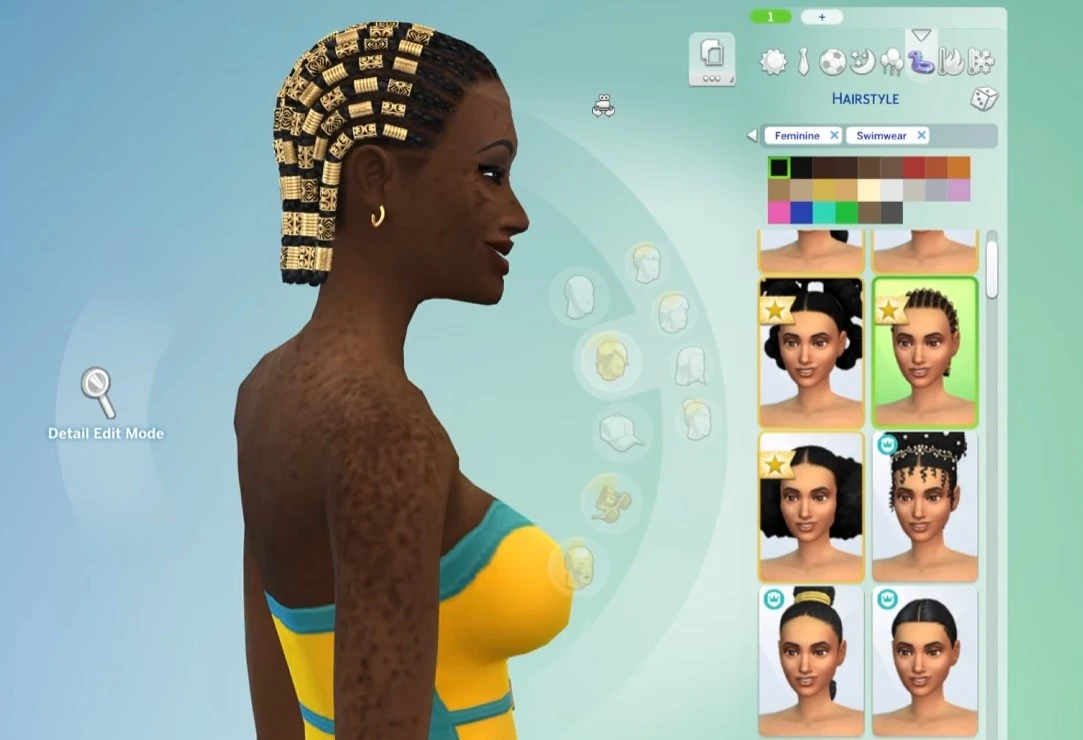
What makes this content especially important is that it doesn’t feel like diversity added just to “tick a box.” The new hairstyles look modern, stylish, and genuinely expand character creation options rather than simply adding a few more items for the sake of quantity. For players who have long been hoping for better representation of African and Afro-diasporic styles in The Sims 4, this feels like a meaningful step forward.
Community reactions: excitement mixed with concern
Despite the ambitious scope and the large number of new systems, The Sims 4: Royalty & Legacy has sparked not only excitement among creators, but also some very real disappointment. One blogger and mod creator, lunar_britney, shared a detailed and emotional response that is already being actively discussed within the community.
First and foremost, they draw attention to an issue players have been raising for years now — the reuse of existing content.
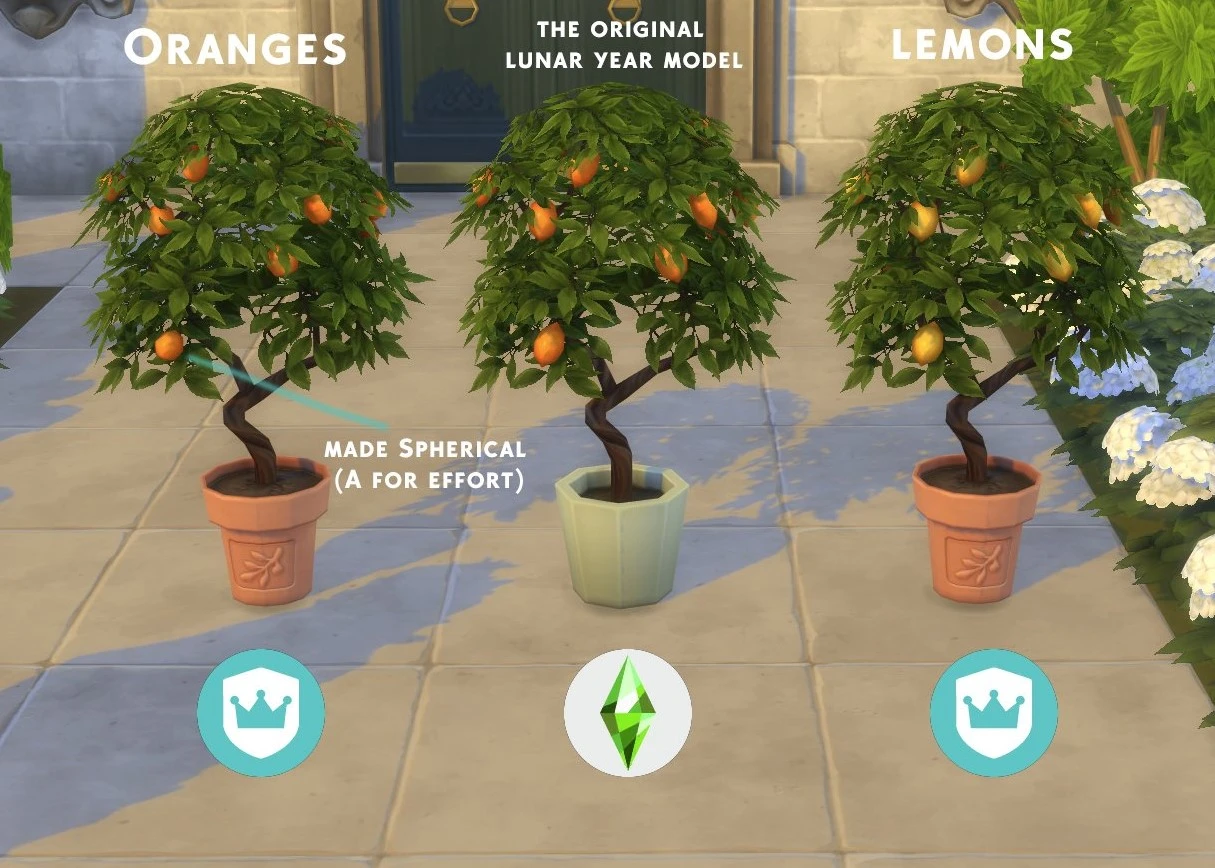
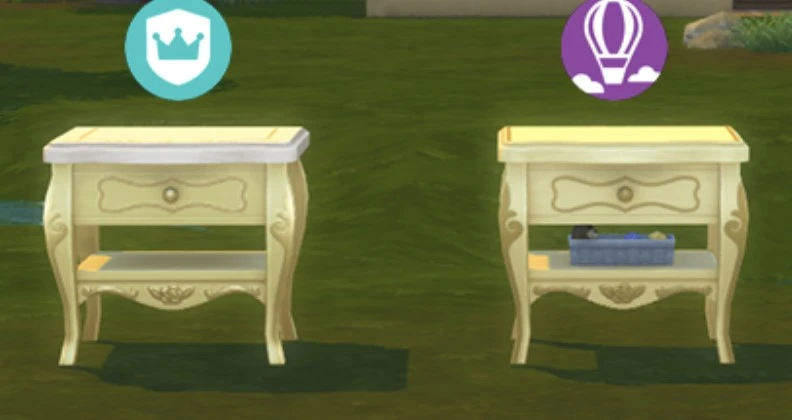
They’re not just talking about familiar ideas, but about direct visual recycling — textures and elements that have already appeared in other packs are showing up again in Royalty & Legacy.
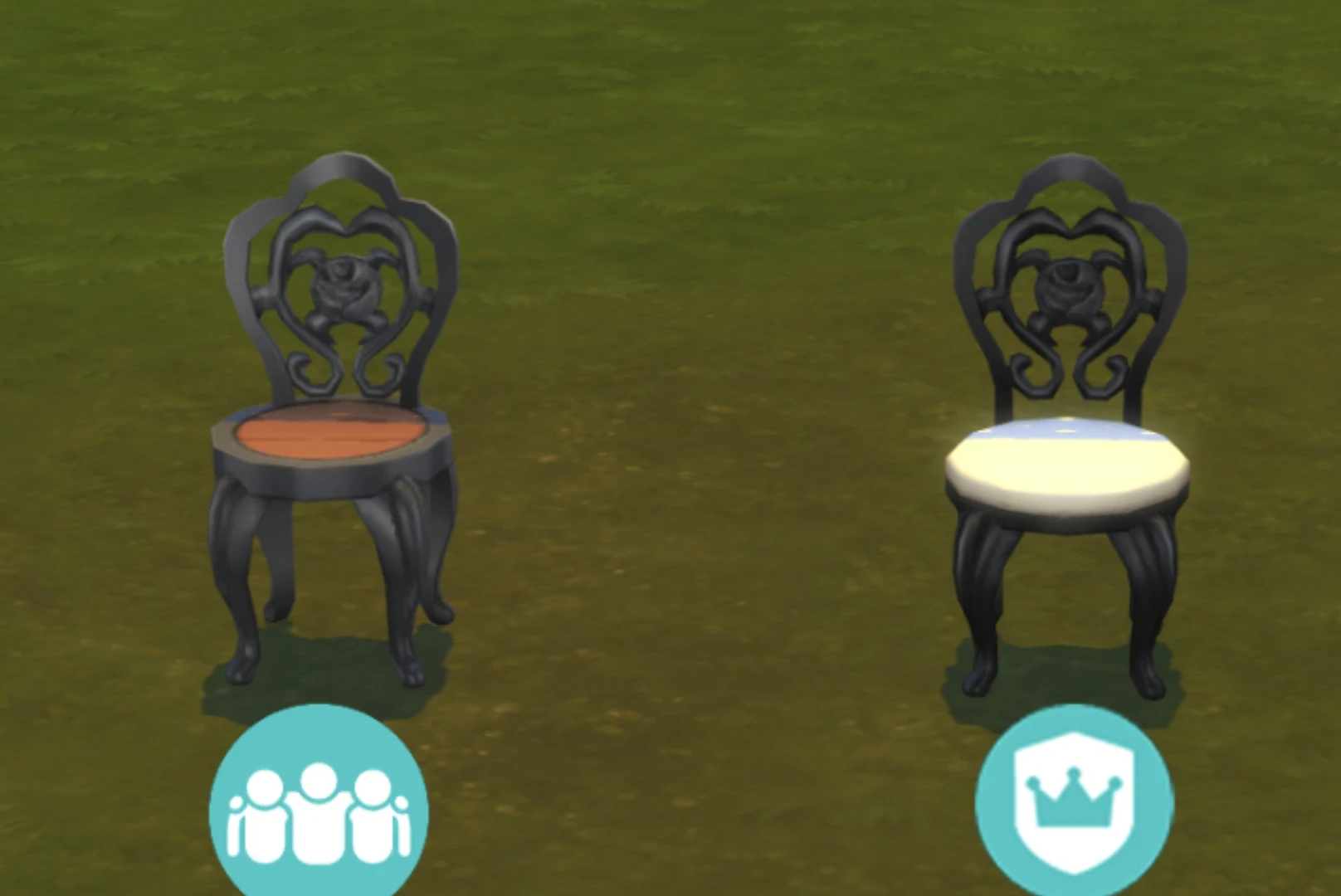
Under normal circumstances, this might have gone unnoticed. However, in the creator’s view, the current state of the game doesn’t allow players to simply look past it. When an expansion is centered on kingdoms, dynasties, and unique worlds, expectations for a stronger sense of visual identity are especially high.
The “forging connections” system also raised serious questions, as it turned out to be tightly locked to the scandal mechanic. For years, the community has been asking for expanded relationship tools in CAS — from more complex family ties to nuanced social roles.
Instead, players received a fairly complex system with a very narrow — and, in the creator’s view, questionable — use case. It’s still not entirely clear why this mechanic exists in its current form or why it isn’t applied more broadly, for example to diplomacy, marriages of convenience, or political alliances.
The most debate, however, surrounds the expansion’s central feature: dynasties. The idea of long-term progression passed down through generations was generally welcomed. In practice, though, the system feels uncomfortably familiar to some players.
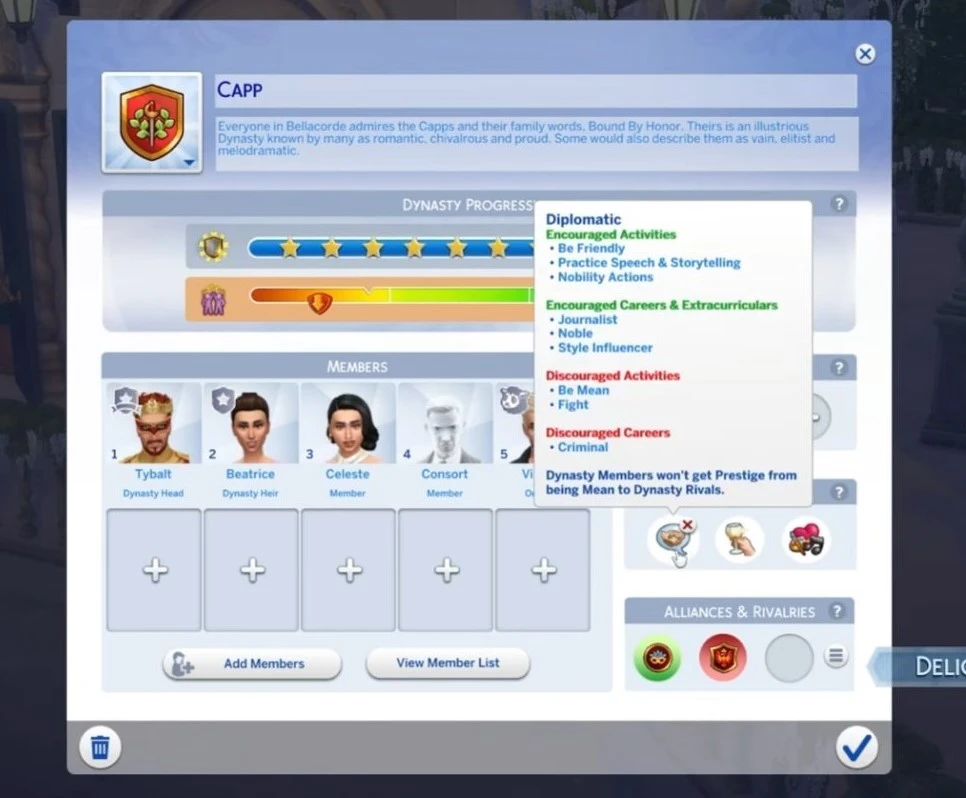
According to the creator, dynasties feel like a reworked version of Clubs — built on the same core principles, featuring similar interactions, and even using the familiar visual highlighting of “good” and “bad” actions. This is especially concerning given that many existing systems based on club logic still behave inconsistently, particularly on custom venue types.
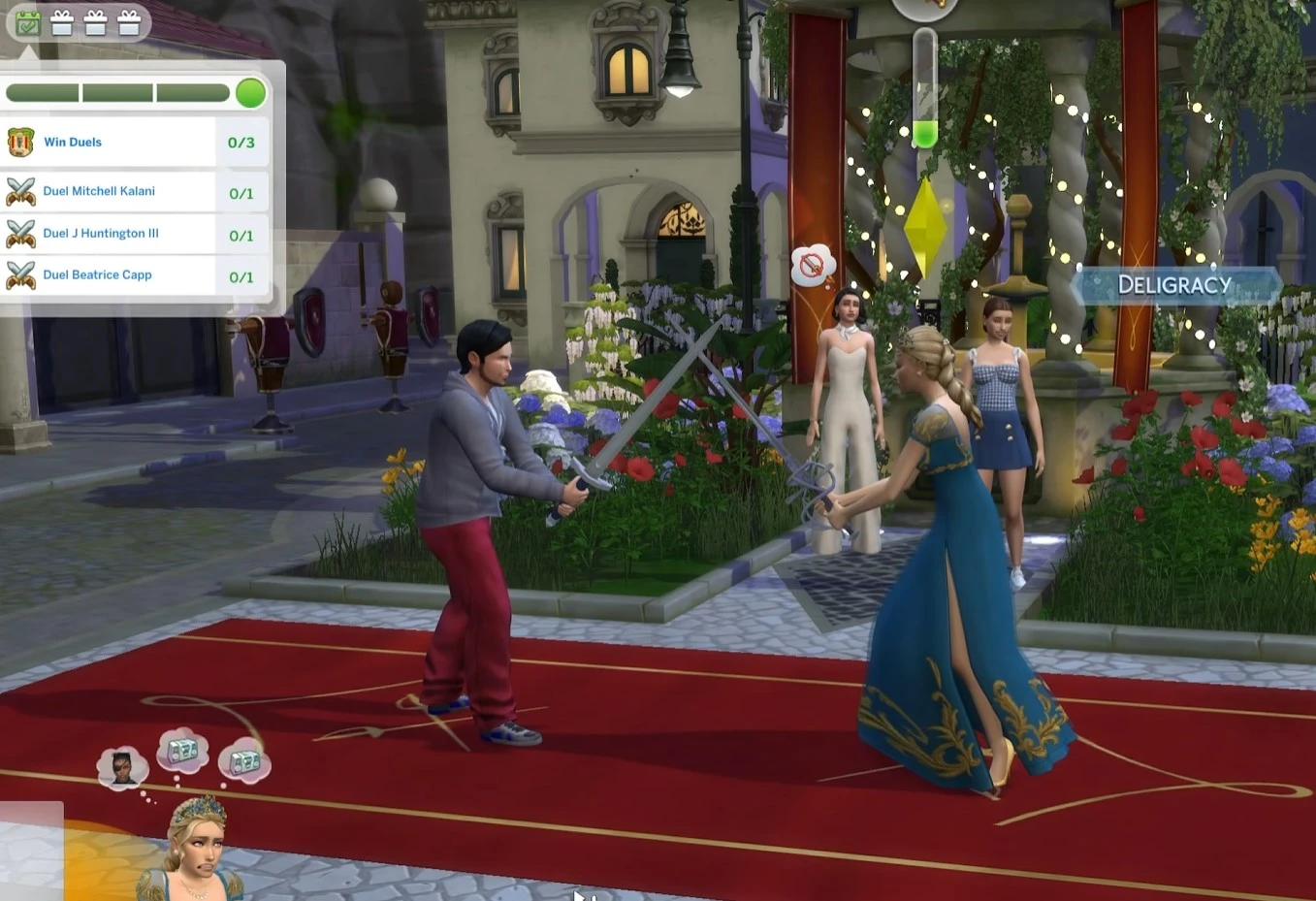
Even the fencing tournaments, while visually striking and thematically appropriate, have been compared to the competitions introduced in Horse Ranch. The setting has changed, but the underlying structure feels very similar, which only reinforces the sense of repetition.
Performance issues became a separate — and perhaps the most painful — topic. The blogger notes that even in footage from other creators, FPS drops are clearly visible when viewing the world from a distance. This is especially concerning given that many tests were done in DX9 mode, which is usually more stable than DX11 on modern systems. At the same time, from the community’s perspective, DX11 development seems to have stalled, while the overall load on the game continues to increase.
All of this contributes to a growing sense of game bloat: more and more systems and objects are being added, but without deep optimization of what’s already there. As an example, the blogger points to their own modding experience — the difference in load times after removing excess worlds is described as genuinely shocking. This contrasts sharply with the expansion’s theme: for a pack about kingdoms, intrigue, and power, there are surprisingly few Sims populating the world to truly bring those systems to life.
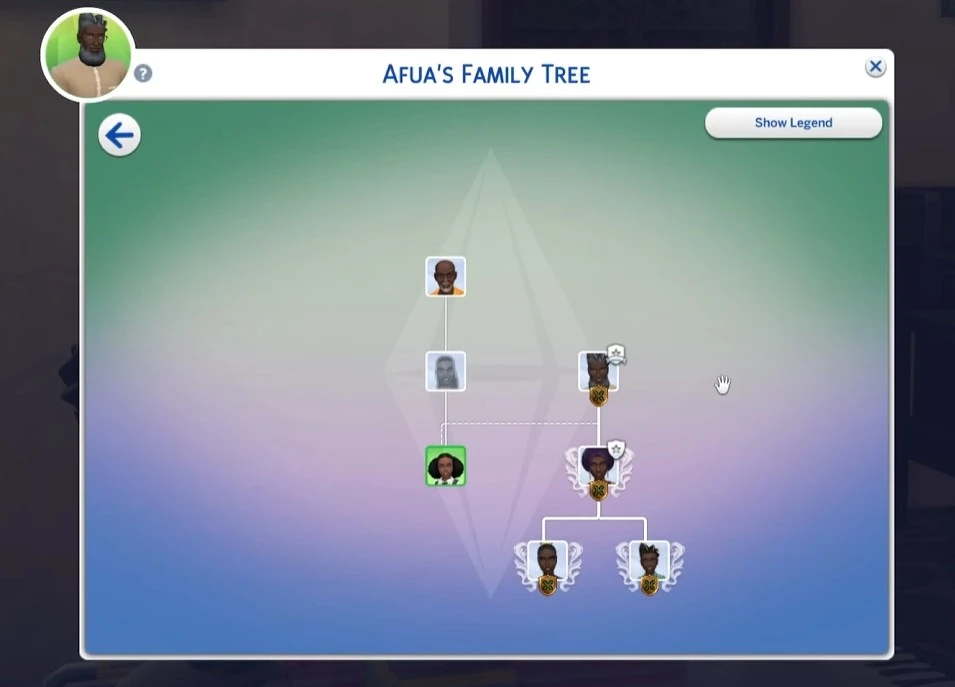
On top of that, the updated family tree system has reportedly introduced new issues. Players have encountered mixed-up relationships, duplicated children assigned to different relatives, and general genealogical chaos that further undermines confidence in the system’s stability.
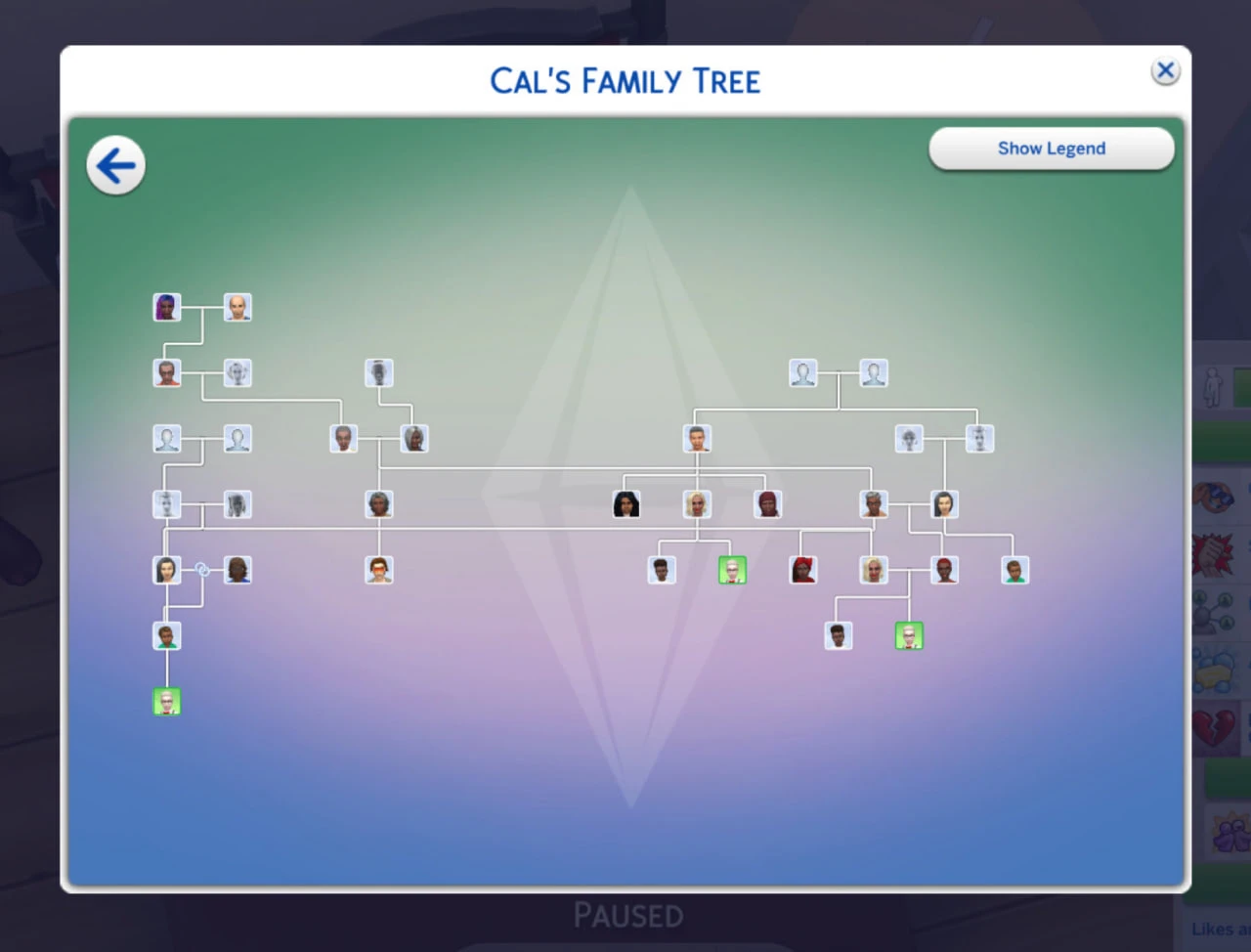
It seems that the new system struggles to properly track Sims in older save files — especially when a family spans more than three generations.
Source: x.com
In the end, Royalty & Legacy comes across as an expansion with huge potential, but just as many unanswered questions. How well the new systems will hold up over long-term gameplay, how they’ll behave in saves with mods and custom lots, and whether they can ultimately meet player expectations — all of that will only become clear after a full release.
For now, the expansion remains a topic of active discussion, debate, and cautious optimism, with many players hoping that its striking concept will be matched by equally solid execution.