Behind the Scenes of The Sims 4: Megacity Titanopolis, Danny Elfman Visits, and a Crisis of Ideas
The Sims 4 community has been given a rare glimpse into the darkest past of the game. A former lead environment artist who worked on the franchise since The Sims 1 shared insider details about the development process that led to talented employees quitting and the creation of the "Pixar style" that many players disliked.
From the Megacity of Titanopolis to New Orleans
It all started when Reddit user u/JPOINT_V posted a nostalgic screenshot of The Sims 4's map view from 2014.
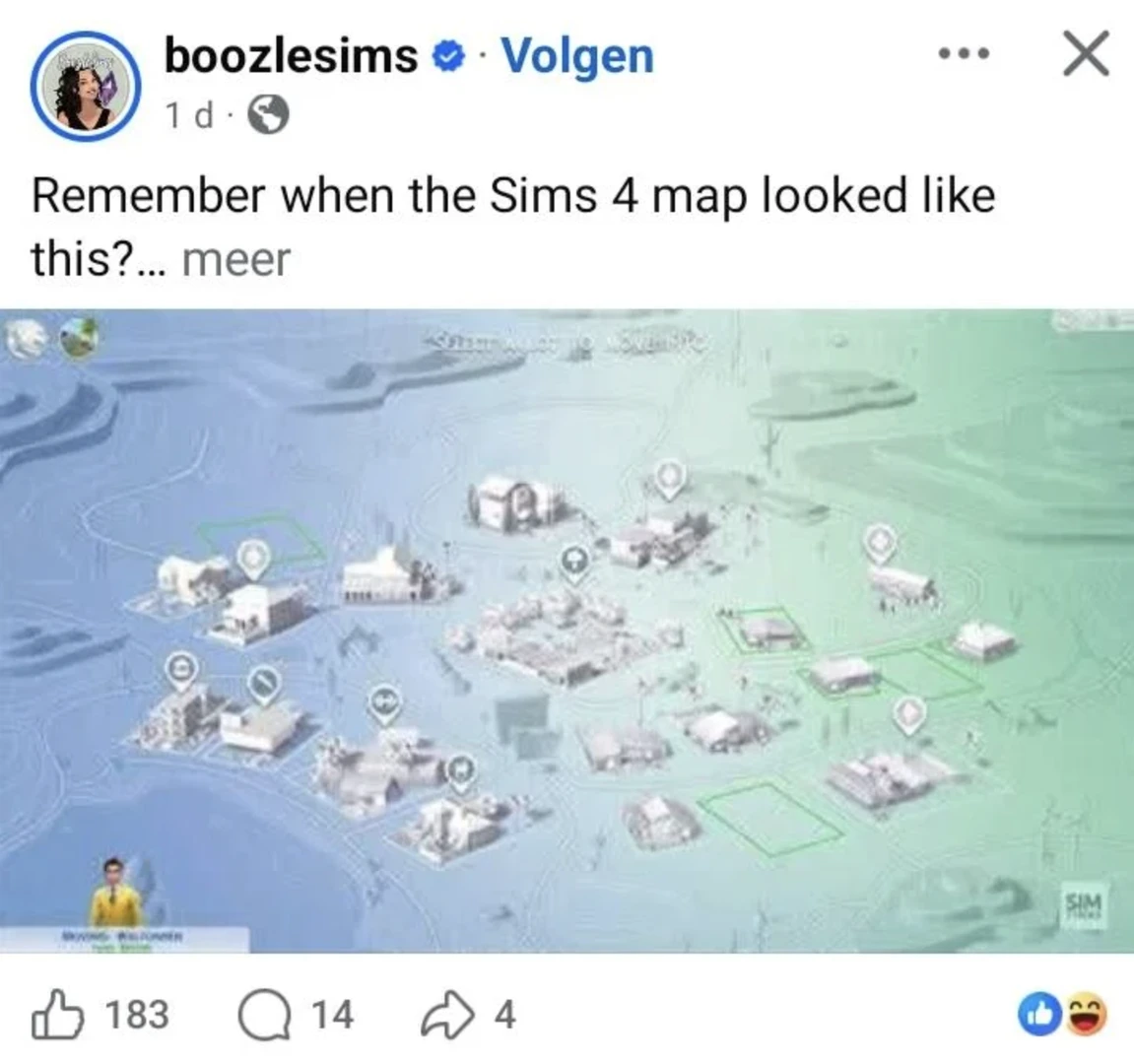
Source: simscommunity
This post apparently caught the attention of u/vertexnormal (real name Michael Long). He held the position of lead environment artist during the early pre-production of The Sims 4 (from 2010 to 2012), and also helped shape the worlds of The Sims 2 and The Sims 3. He not only recognized the screenshot but decided to shed light on what came "before."
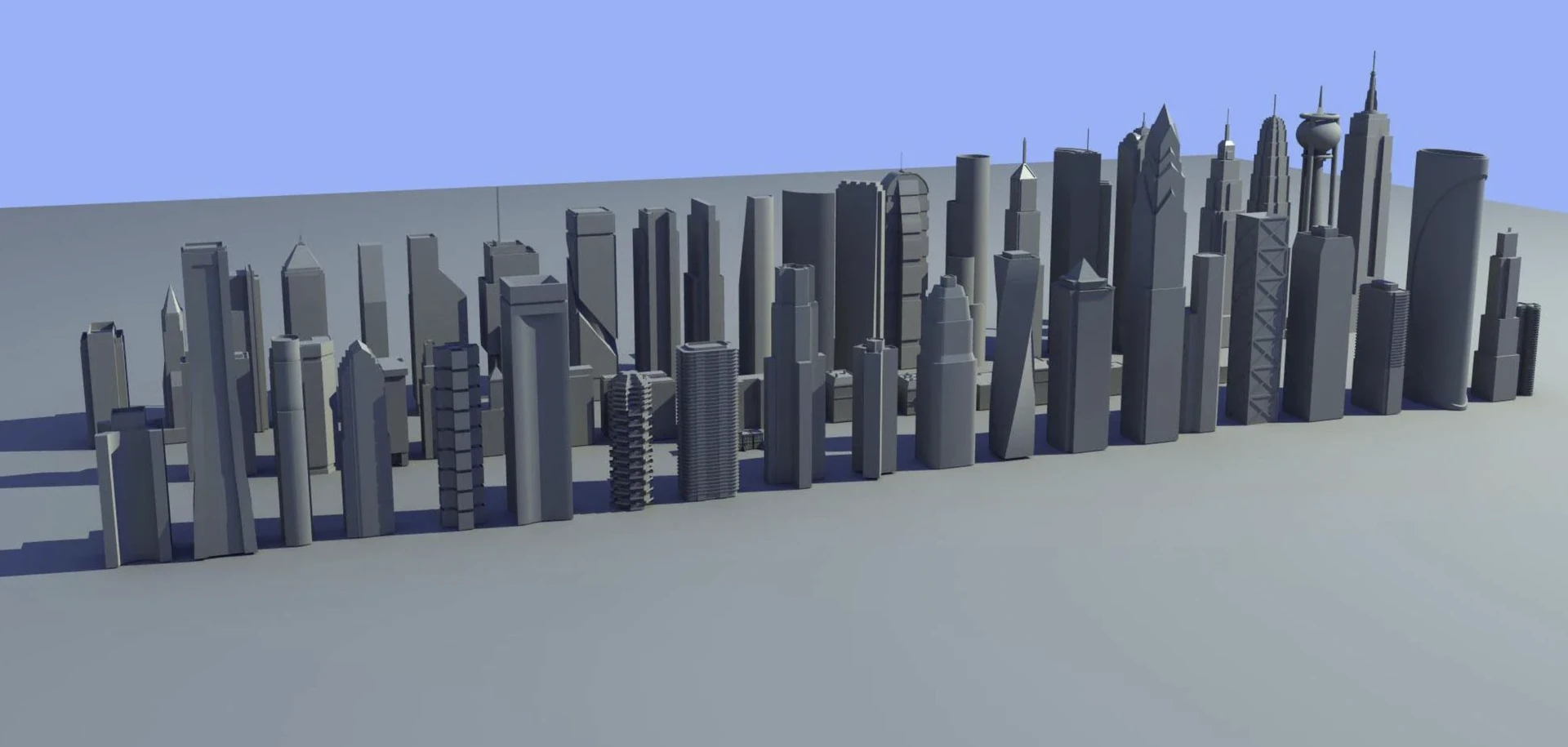
Source: simscommunity
According to Michael, the original conceptual center of The Sims 4 was supposed to be a massive city called Titanopolis — much denser and more urban than anything we saw in the final version. This idea was later abandoned in favor of a "weird" (as the artist put it) world with a New Orleans vibe, which eventually turned into the familiar Willow Creek.

Source: simscommunity
The Real Reason for the Multiplayer Cancellation and Tight Deadlines
It's widely believed that the multiplayer version of the game (Project Olympus) was canceled because of the failure of the online city‑builder SimCity (2013), to avoid repeating the same mistakes. But Michael Long decisively refutes this theory.

According to him — and backed by screenshots from that era — the reboot happened not because of external pressure, but for an internal reason:
"They didn't have to rebuild because of SimCity 2013. They had to rebuild because it was bad."
Development on the game began as early as late 2009. Nearly three years were spent on pre‑production and experimenting with Olympus, and only in 2013 was the project completely pivoted toward a single‑player experience, with another team taking over.
"Helmet Hair," the Pixar Style, and Visits from Danny Elfman
The artist does not hide his disappointment with the final visual style of The Sims 4, which he calls "horrible." He was especially critical of the famous "helmet hair" — large, glossy, and unnatural hairstyles.
Strangely enough, this concept had a very specific inspiration. According to the developer, the style was based on the work of illustrator J.C. Leyendecker from the 1950s.
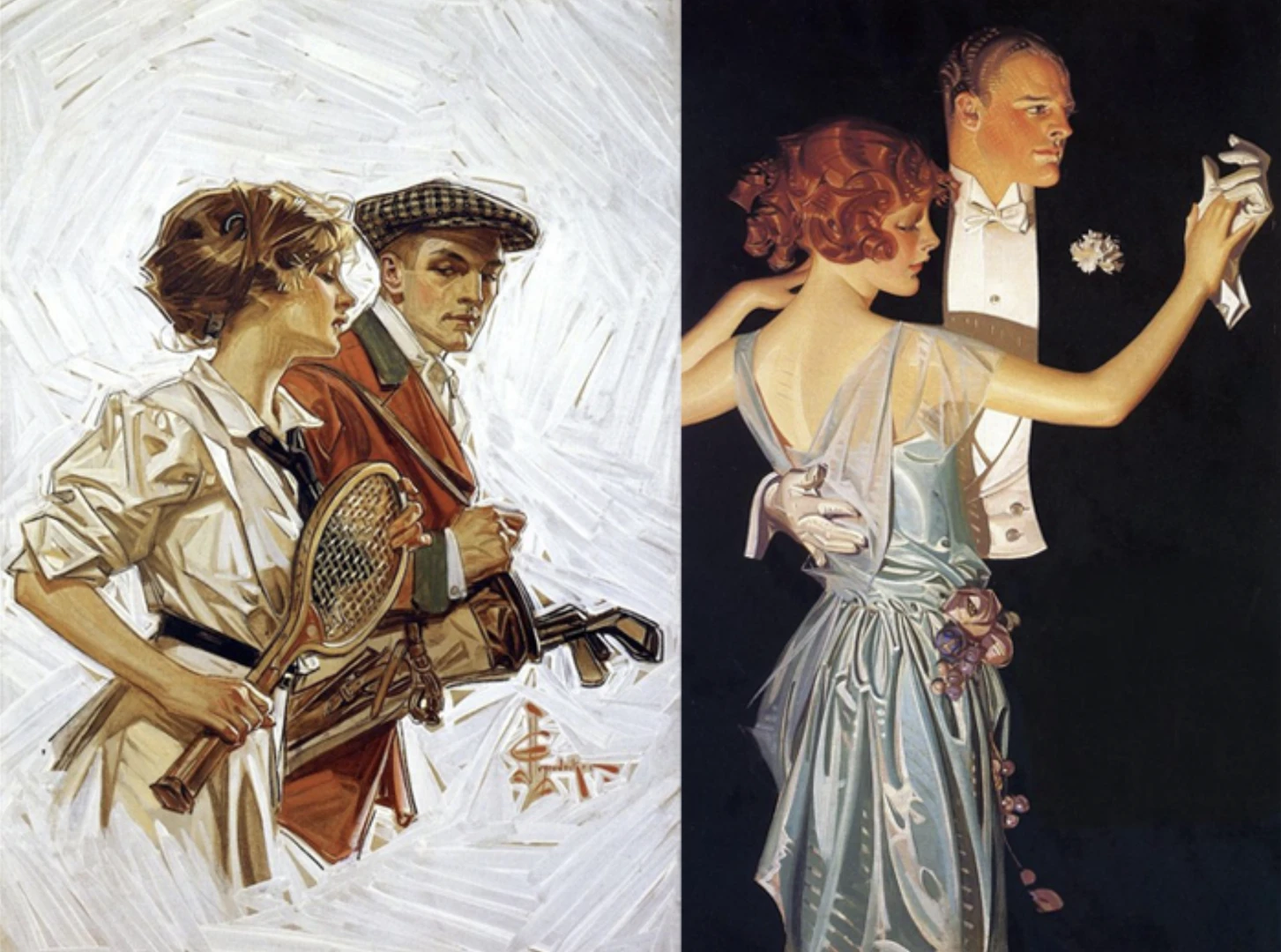
The original prototypes looked great, but when the team tried to scale up the system and implement a full‑fledged Create‑A-Sim (CAS) with layering of clothing, makeup, and accessories, technical constraints and "texture memory economy" led to a final result that, in the artist's opinion, failed.
The frustration with management was so intense that Michael left the project. He was offered a position on The Sims: Medieval; otherwise, he would have quit entirely.
As an interesting aside, Michael also recalled that composer Danny Elfman (Oingo Boingo, Tim Burton soundtracks) frequently visited the studio. However, it was Mark Mothersbaugh (the composer for The Sims 2) who was constantly in the office.
The Loss of the Franchise's Identity and Meaning
Despite all the criticism of the graphics and production process, the most significant revelation was his analysis of why the franchise lost its soul.
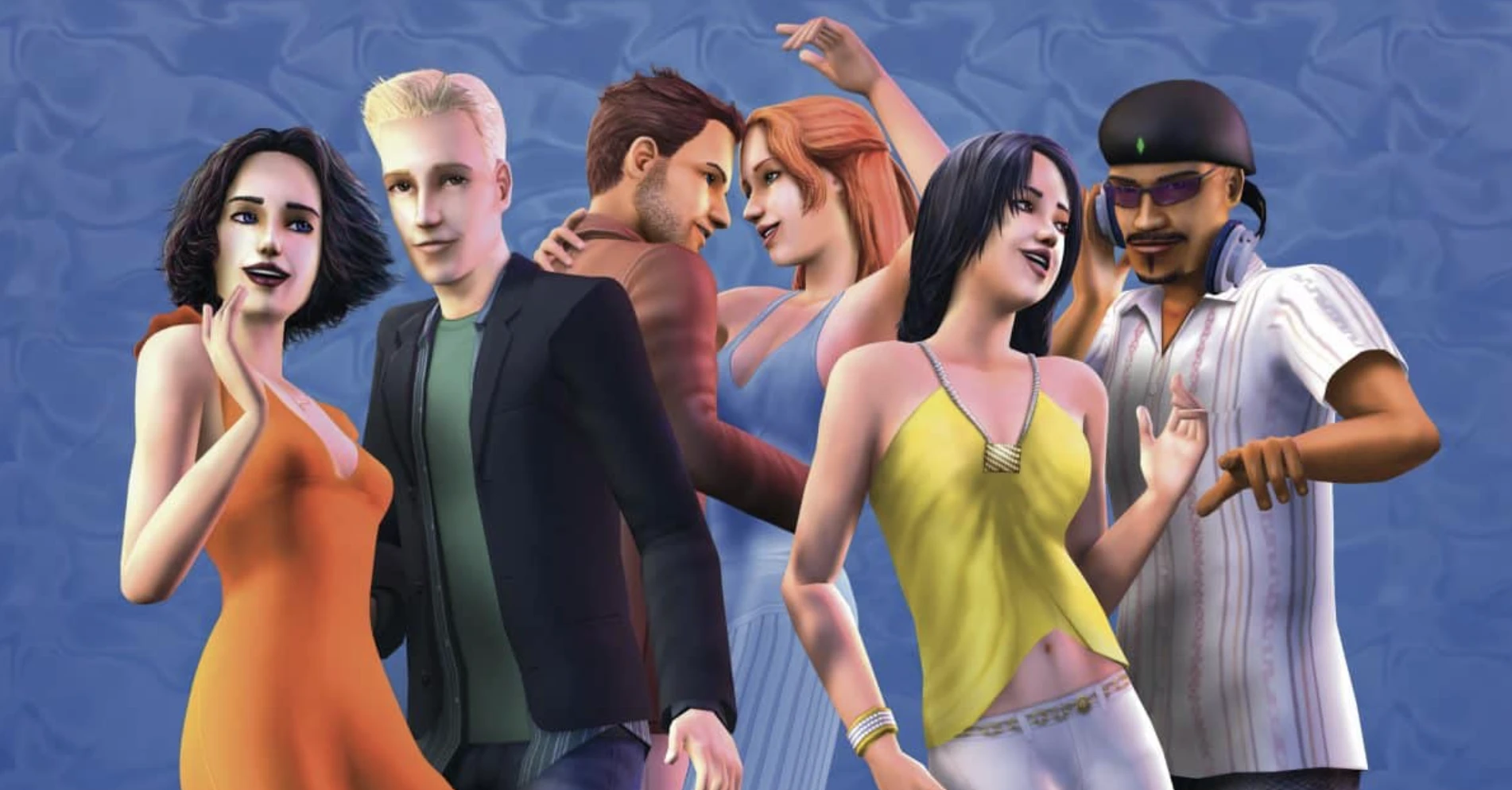
Michael Long eloquently described the different creative approaches to each installment. The Sims 1 was a sharp satire of consumer culture: the bigger the TV, the happier you are. The Sims 2 moved away from that critique, focusing instead on giving players the tools to tell their own weird and funny stories.
Source: simscommunity
The Sims 3, however, lost a clear identity, concentrating on being simply "bigger and better" than the second part.
When it came to The Sims 4, the artist said: "They lost the plot entirely." He emphasizes that people who love the game and its fans still work at Maxis, but the atmosphere coming from new management and EA has completely destroyed the original vision.
"In some ways, it's driven by money," Long concludes, hinting at the current state of the franchise.
Michael Long, whose name does not appear in The Sims 4 credits (because he left before release), left a rich legacy in the landscapes of The Sims 2 and The Sims 3. His revelations shed light on the chaos, creative disagreements, and technical compromises behind the creation of a game that is today one of the best‑selling in history. This also serves as yet another serious piece of evidence that the current state of the series is not the result of technical failures but of a deep creative crisis that began at the project's very inception.